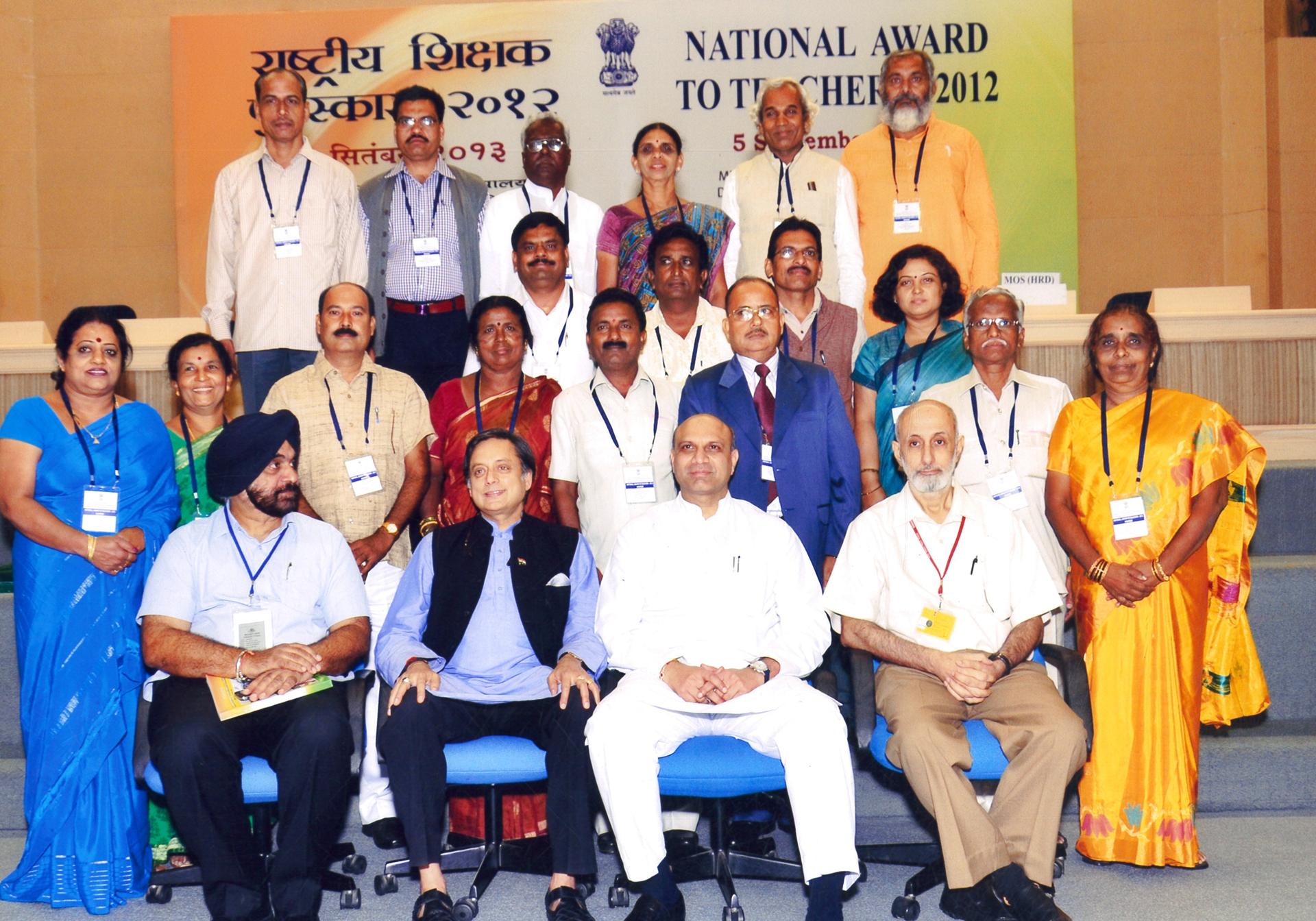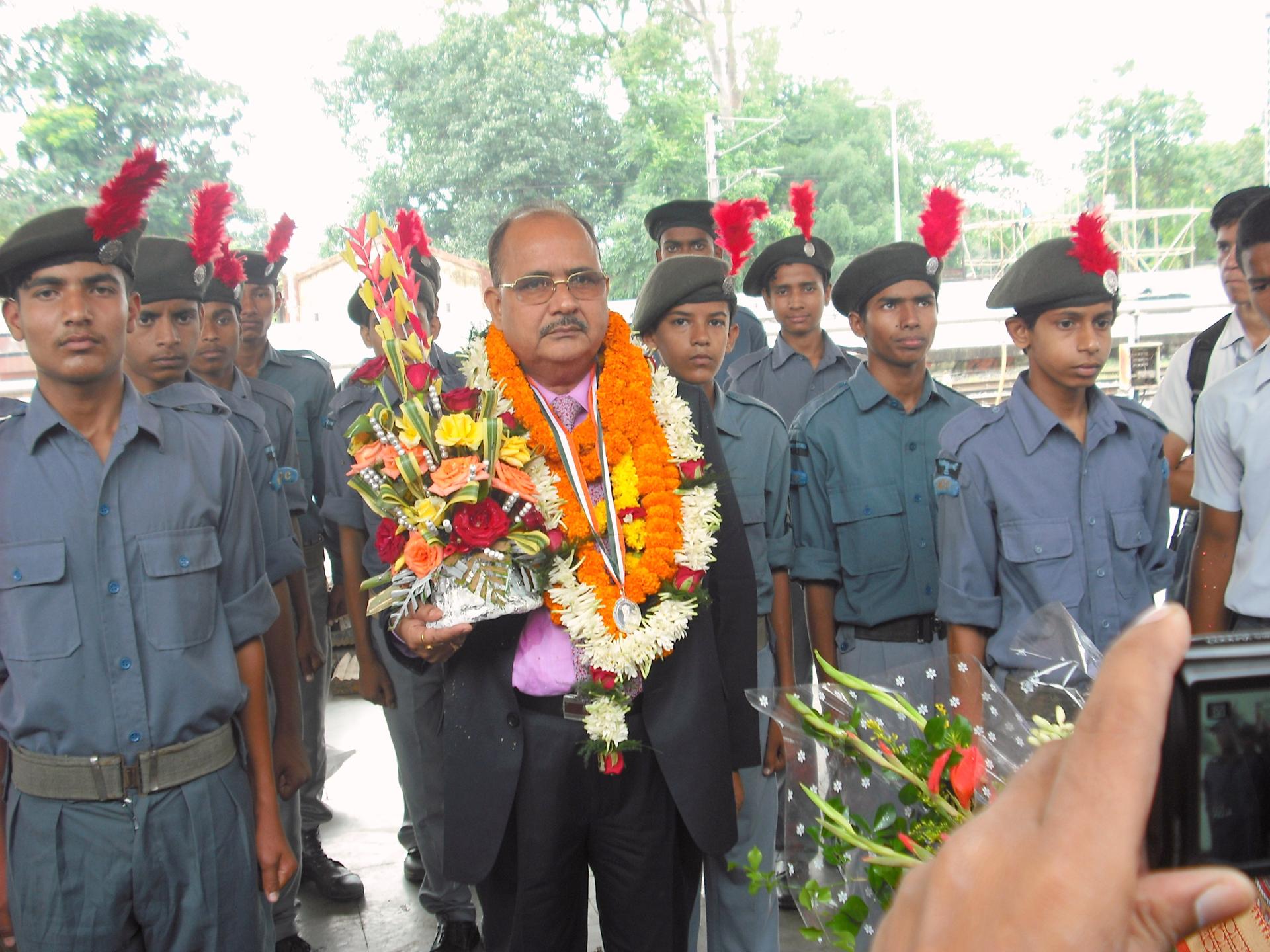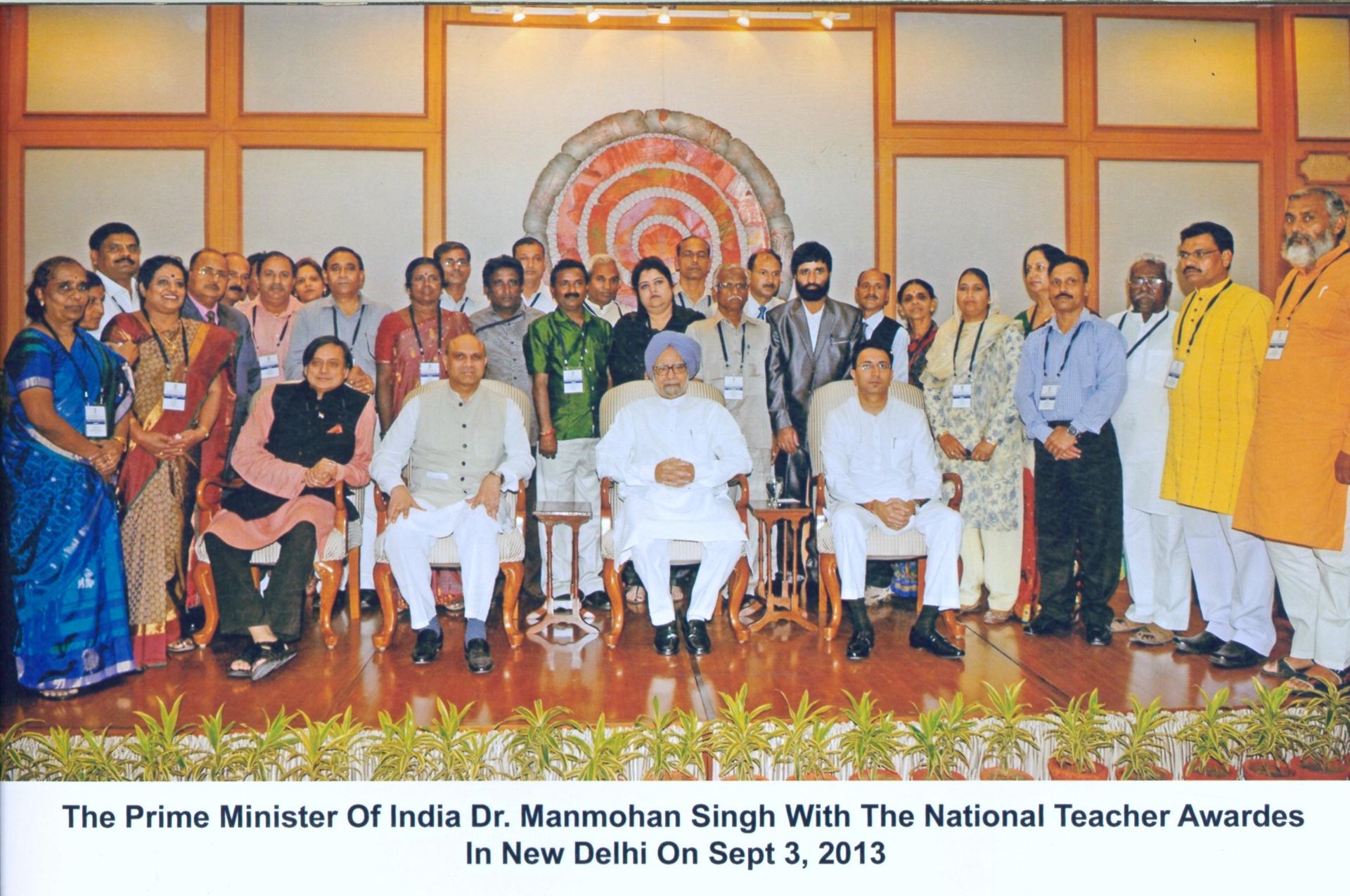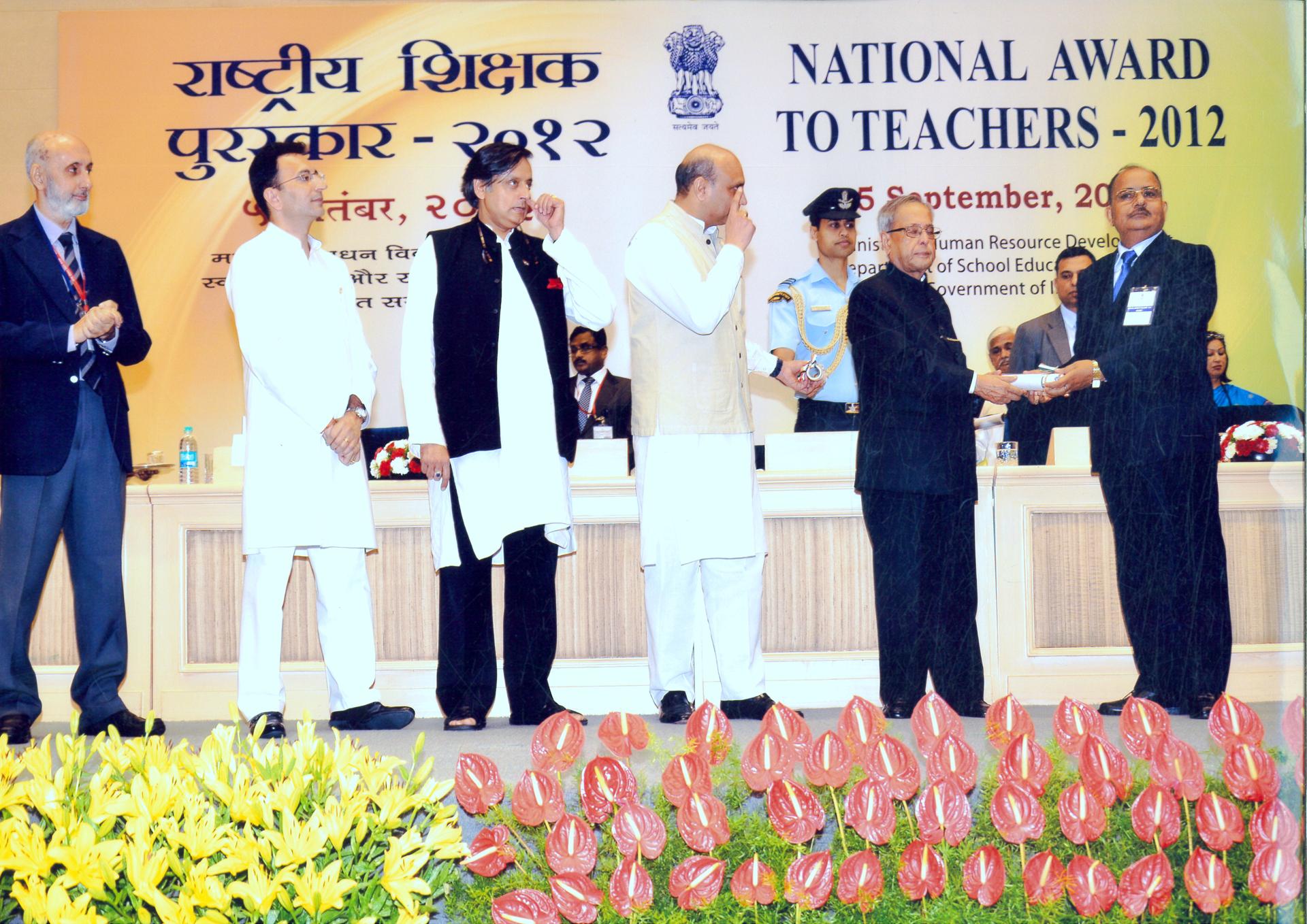
students

Advertisement
October 10, 2024 Recommended

Habitat Destruction and Loss of Water Bodies

The predominant features that create structural complexity in the environment, such as plants or animals are called as a habitat.

A process, in which natural habitat is rendered functionally unable to support the plants and animals occupying it, is named as Habitat destruction. In the process of habitat destruction, plants and animals that previously used the place are displaced or destroyed, reducing biodiversity.

Read Article
July 25, 2020 Recommended

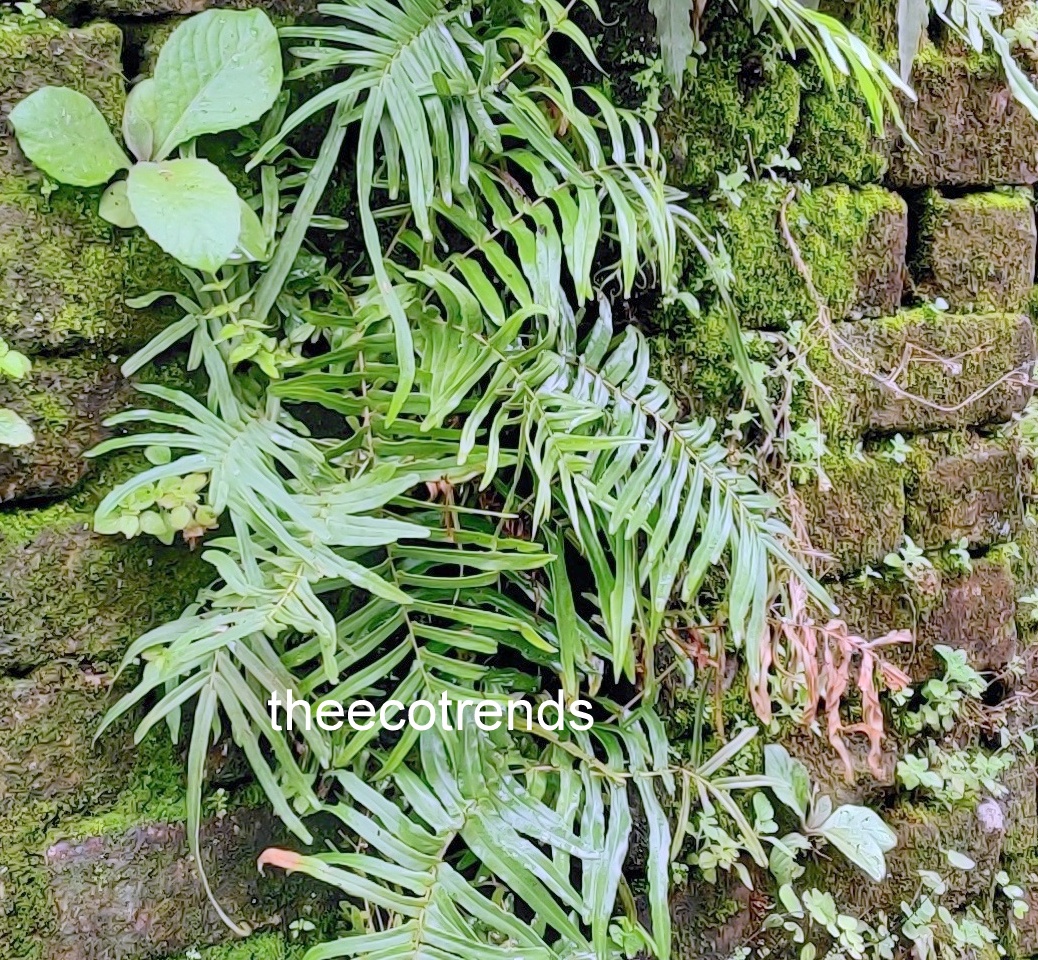
Plants that survive under hardships

Many ferns grow along north or west facing walls every year. Their spores might have been there in crevices during the dry season. Unless there is a supply of water from leaking pipe they complete their life cycle within the rainy season and pack up with the passing rains. They pass away and leave for us a lesson to remain happy and survive in hard conditions.

Read Article
May 3, 2021 Recommended

How do Organisms get Their Food?

Mode of nutrition through which an organism depends on other organisms for food due to its inability to synthesise food is called as heterotrophic nutrition.

Read Article
July 22, 2022 Recommended

Human environment interaction

man is causing serious impacts on environment. Concrete jungles do not allow rain water to enter into the gound. As such water table is falling down.

Read Article
November 24, 2020 Recommended

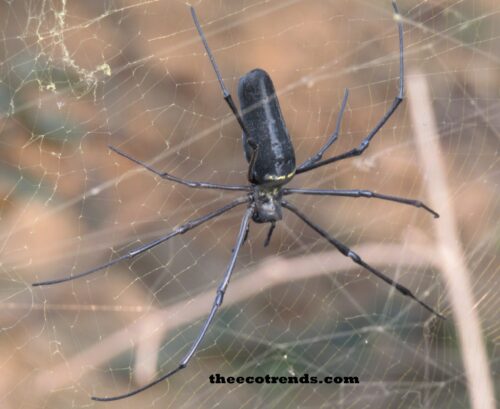
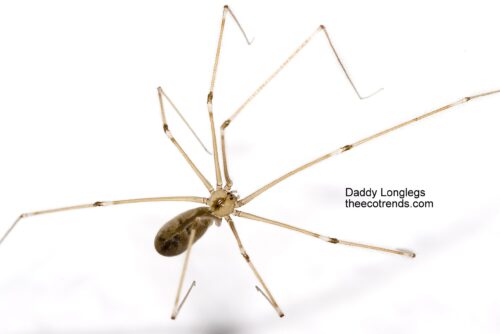
The Story of Daddy Longlegs

Well, Daddy Longlegs or the Grandfather Grey Beard is a Cellar Spider named as Pholcus taxonomically. It is a member of the family Pholcidae (C.L.Koch, 1850). It is an Aranchomorph spider that comes under the phylum Arthropoda.

Read Article
August 22, 2022 Recommended

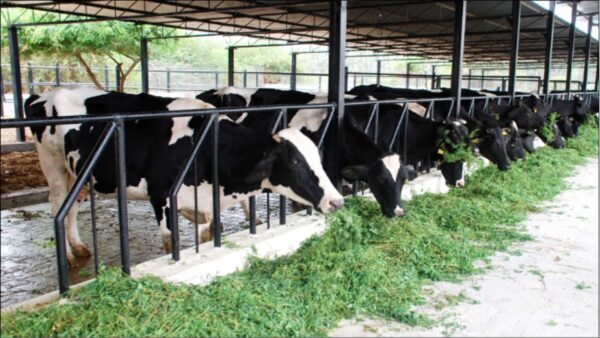
Food Production from Animals

The government have initiated a number of measures to increase the productivity of milch animals. It has resulted in an increase in the milk production significantly from the level of 102.6 million tonnes at the end of the tenth plan (2006 -2007) to 127.9 million tonnes at the end of the Eleventh plan (2011 -2012. The Annual Growth Rate of milk production was about 5% in 2011 -12 compared to 2010 -11.

Read Article
Advertisement
Gallery Picture
Gallery Picture
Gallery Picture
Gallery Picture
Gallery Picture
Gallery Picture
Gallery Picture
Gallery Picture
Gallery Picture
Gallery Picture
Gallery Picture
Gallery Picture
Gallery Picture
Gallery Picture
Gallery Picture
Gallery Picture
Gallery Picture
Gallery Picture
Gallery Picture
Gallery Picture
Gallery Picture