Dignity of Labour and Social Values
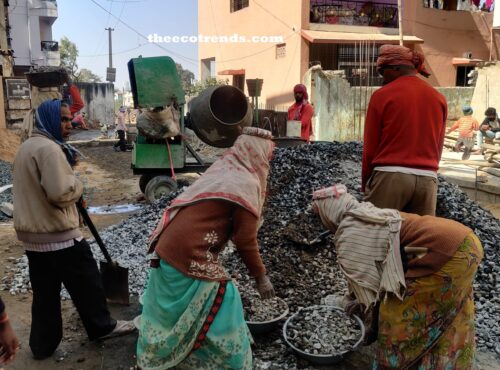
Dignity of labour means – all jobs are equal and no job should be considered as big or small.
Dignity of labour means – all jobs are equal and no job should be considered as big or small.
Some environmentalists define land pollution as – build up of toxic chemical compounds, salts, pathogens or radioactive materials in soil that can affect plant and animal life adversely, is called as soil pollution.
Animals could be mainly divided into wild and domestic. However, the domestic animals that live under wild conditions are called Feral Animals. It is not very difficult to understand a domestic animal from a wild animal, by looking at them, as there are many differences exhibited between them.
Substances that cause pollution of air are called as air- pollutants or atmospheric pollutants. These are fine Primary Pollutants that contribute more than 90 percent of global air pollution. These fine pollutants are carbon monoxide (CO); Nitrogen oxides (NOx); Sulphur oxides (Sox) and particulates. These pollutants can be put into two broad categories A. Gaseous Pollutants, and B. Particulates.
“Pension Aapke Dwar” or the “Pension at your doorstep” is a novel scheme of providing Pension to retiring School Teachers on the Date of their retirement in Jharkhand.
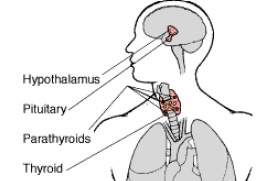
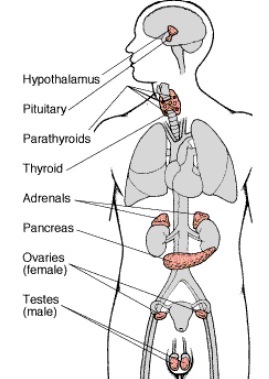
This is a pea sized major endocrine gland. It is protected by a boney cavity called Sella turcica of the sphenoid bone. It is a protrusion of bottom of Hypothalamus at the base of the brain. This gland is also called as Hypothesis.
The ductless gland found on kidney is called as adrenal gland. Each kidney has an adrenal gland on it. This gland is also called as “Supra Renal Gland”. It has two parts- the upper- cortex and the lower- medulla.
Different activities may generate waste which may be solid or liquid. The quality of both solid and liquid wastes is increasing and if the wastes are disposed in an uncontrolled manner these may cause adverse impact on public health and environment. Hence these wastes need to be managed efficiently so as to safeguard public health and environment. In definitional terms, solid and liquid waste management is the collection, transportation, processing, recycling, treatment and disposal of waste materials.
Substances that are thrown out to some place due to their uselessness or excreted out of our body are called as waste substances.
When both the ovaries are fully mature, they alternatively produce ova at the interval of 28 days. Release of ovum into the uterus through the fallopian tube is called as ovulation.
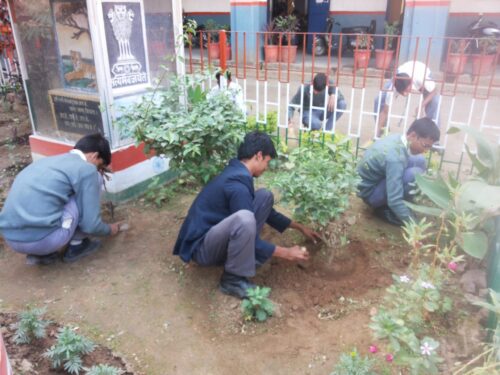
The conservation of the environment implies the sustainable use and management of natural resources, including wildlife, water, air, and earth soils.
It usually focuses on human needs and interests, which include the biological, economic, cultural, and recreational values of the natural environment.