
Sexual Reproduction in Plants
Sex organs of plants are found inside flowers. A male reproductive organ is called as Androecium and a female sex organ is called as Gynoecium.
Sex organs of plants are found inside flowers. A male reproductive organ is called as Androecium and a female sex organ is called as Gynoecium.
What is the importance of DNA copying in reproduction?
When a new plant is developed or caused to develop through stem, root or leaf the method is called as vegetative reproduction. In other words, vegetative reproduction means- reproduction through anyone of the vegetative parts of the plant.
Two organisms- male and female are essential for sexual reproduction. Now let us study some basic methods of reproduction in single organisms.
Living beings develop their population through reproduction. But reproduction is the process through which different traits appear in living beings. Variation is essential for evolution
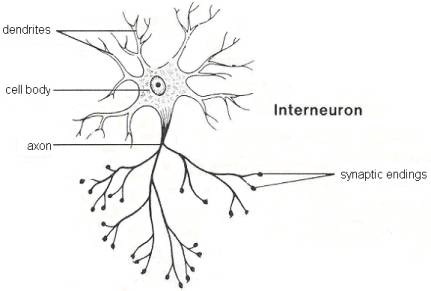
Such bio-chemical and physiological management of body through which body activities remain in control while keeping up adjustments with different body organs
ASSESSMENT: NCERT QUESTIONS WITH ANSWERS
The reflex action is an involuntary action which goes on automatically. We don’t have any control on this type of action. Walking, on the other hand is a voluntary action which can be controlled and modified by us.
New Technologies are developed for improving and increasing industrial production. Similarly, new projects are formulated for providing energy to those industries.
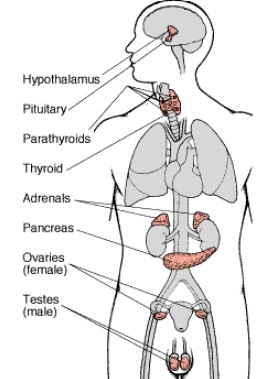
The ductless gland found on kidney is called as adrenal gland. Each kidney has an adrenal gland on it. This gland is also called as “Supra Renal Gland”. It has two parts- the upper- cortex and the lower- medulla.
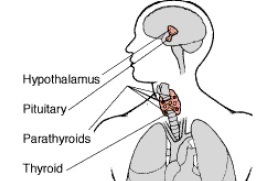
This is a pea sized major endocrine gland. It is protected by a boney cavity called Sella turcica of the sphenoid bone. It is a protrusion of bottom of Hypothalamus at the base of the brain. This gland is also called as Hypothesis.
The conservation of the environment implies the sustainable use and management of natural resources, including wildlife, water, air, and earth soils.
It usually focuses on human needs and interests, which include the biological, economic, cultural, and recreational values of the natural environment.
The scarcity of oxygen and the need of producing more and more oxygen! We may think for sometime about it. But, anyone knows that life is not possible without it.