
Atmosphere and its Importance
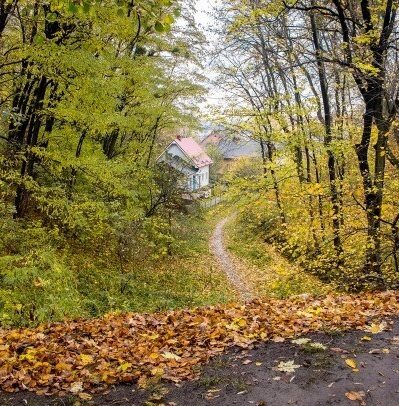
The Envelope of air held around the earth by its magnetic force, gravity or geomagnetism, is called the atmosphere.
The whole world is worried due to the new variant of corona Omicron. The era of lockdowns has again started because Omicron is seen as more deadly variant. WHO has declared that it disseminates faster and is more dangerous. Everyone has been warned to strengthen securities.
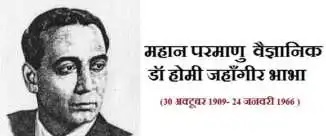
Yes, 24th January is the memory day of Dr. Homi Jahangir Bhabha. He was died in a plane accident. Though it was an accident people have different opinions about it. He is called as the Father of India’s Atomic Programme. It is accepted that India would have been a country of Atomic Power if Dr. Bhabha had lived the accident. His death was considered as suspicious
Growing a single crop species over a large area or farm is called intensive farming or monoculture. Earlier practices of mixed cropping caused problems in crop management, like harvesting, etc. Uniformity in plant height adds beauty to our fields and makes the application of agrochemicals easy. It also saves time and energy in segregating grains in threshing.
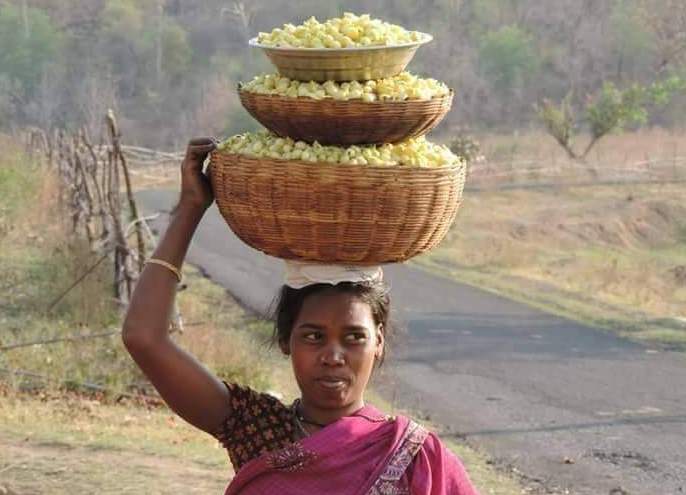
Mahaua or the Madhuca longifolia is indigenous to India. It is a good sized tree and it grows up to 20 meters in height.
Ecosystems can be categorised into two broad categories: natural and artificial. Natural Ecosystems are those ecosystems that operate by themselves under natural conditions. These ecosystems are further categorized as Terrestrial and Aquatic Ecosystems. Terrestrial ecosystems relate to lands, whereas Aquatic ecosystems relate to fresh or marine water. Freshwater ecosystems may be Lotic or Lentic. Lotic are running water ecosystems like springs, streams or rivers, whereas Lentic Fresh Water Ecosystems may be found in standing waters of lakes, ponds, pools, puddles, ditches, swamps, etc. Marine Ecosystems are found in marine waters of salt lakes, seas, oceans and estuaries. Artificial Ecosystems are man-engineered ecosystems like crop fields, artificial ponds and lakes, aquaria, fish ponds, and abandoned mines reclaimed as lakes or water bodies for recreation.
Auxins move to darker side of the part of a plant and cause cells of that side to grow larger. These may induce cell division as well. In both of these cases the part of the plant bends.
The Conservation Status of Biodiversity is usually known through the comprehensive Inventory prepared periodically by the IUCN, the International Union for the Conservation of Nature and Natural Resources. This comprehensive Inventory of the Conservation Status of Species is popularly known as the Red List or the Red Data List.
Though there are two basic types of leaves of monocotyledonous and dicotyledonous plants, we observe immense diversities in their arrangements, sizes, and shapes.
Some leaves are very short, as short as they cannot be seen through naked eyes where as there are big broad leaves that can form many umbrellas for small children.
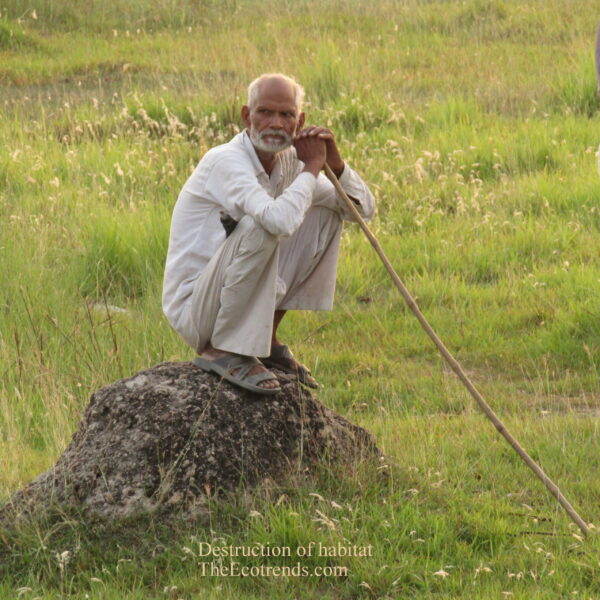
Abrupt changes in environment often do not give time to an organism to get ready and to face the challenges. As such the organism can survive only when it has sufficient abilities to tolerate these changes.
Nearly half of the planet’s plant and animal species live in Rainforests. Less than 2.5 billion acres of Tropical Forest have remained out of four billion acres on the Earth within a few hundred years.
The flow of nutrients in ecosystem takes place in cyclic pathways through food chains, food webs and bio-geo-chemical cycles. Food…