Teaching the Environmental Education
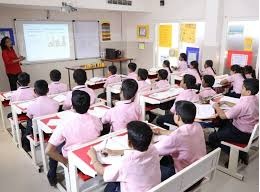
Teaching of environmental education is rather different. In involves practical experiences. For this both indoor and outdoor studies are essential.It also involves parents and community
Teaching of environmental education is rather different. In involves practical experiences. For this both indoor and outdoor studies are essential.It also involves parents and community
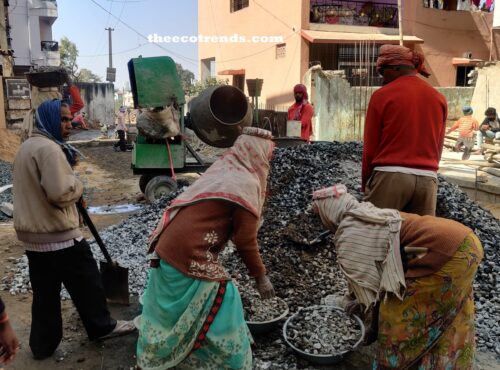
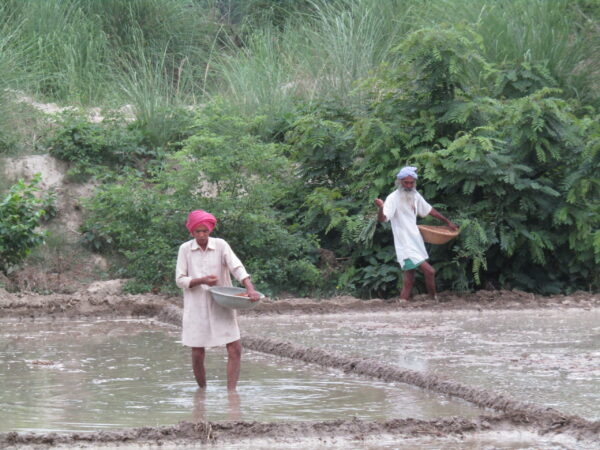
Dignity of labour means – all jobs are equal and no job should be considered as big or small.
The food eaten by any one comprises many different components like – Carbohydrates, Proteins, fats, Minerals, and Vitamins and water. For humans and big animals water too has been accepted as a necessary component of food.
Animals can be categorized mainly into two categories- domestic, and wild. However, the domestic animals that live under wild conditions are called Feral Animals.
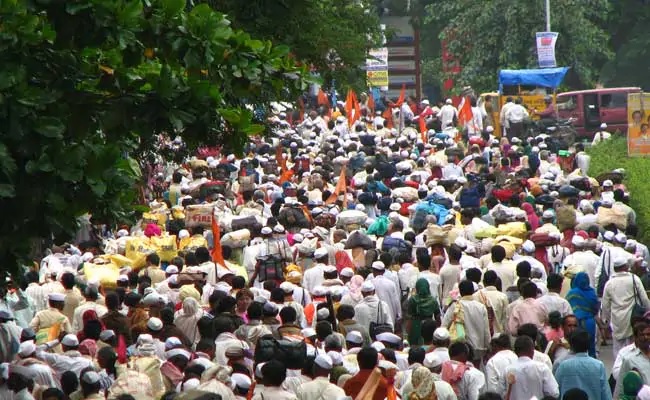
A group of individuals of a particular species occupying a particular area at specific time is called as population.
Substances that cause pollution of air are called as air- pollutants or atmospheric pollutants. These are fine Primary Pollutants that contribute more than 90 percent of global air pollution. These fine pollutants are carbon monoxide (CO); Nitrogen oxides (NOx); Sulphur oxides (Sox) and particulates. These pollutants can be put into two broad categories A. Gaseous Pollutants, and B. Particulates.
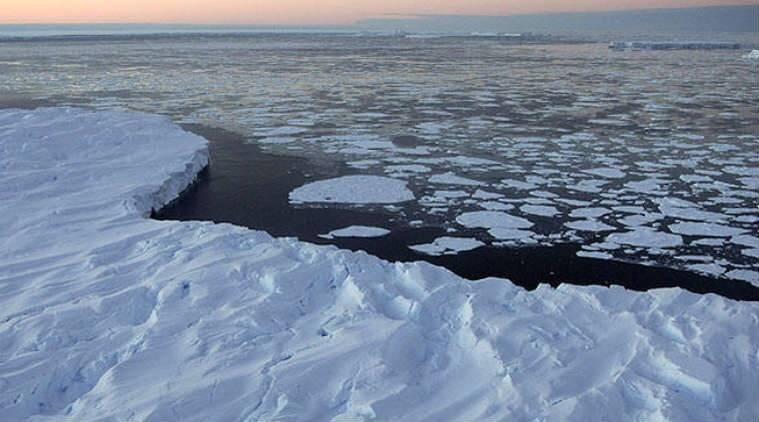
The regular pattern of weather conditions of a particular place is called as climate of that place. This regular pattern of weather conditions is considerably disturbed by fluctuations in temperature. The disturbance in the pattern of weather conditions at the particular place may thus be called as Climate Change.
There are many different types of technologies or technological models- such as Low-tech, Hi-tech, alternative, intermediate, appropriate, blended, hard, and soft technologies.
The process of recovering or reusing usable materials from discarded waste is called recycling. For example, about 15 per cent of Sulphuric acid is recycled in chemical manufacturing. In the early days, all the sulphur needed for the production of sulphuric acid was taken out of mines directly. But now, with the prevailing tendencies of recycling, sulphuric acid manufacturing industries are using sulphur from smelters, refineries, etc.
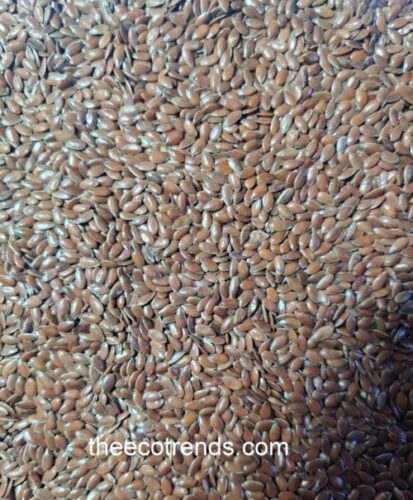
In irrigated conditions 80 kg of Nitrogenous fertilizers, 30 kg of Phosphorus, 20 kg of Potassium and 20 kg of Sulphur fertilizers are recommended in one hectare of land for the linseed cultivation.
Different news agencies report the Supreme Court’s comment that no one can celebrate functions at the cost of lives of others.