Dignity of Labour and Social Values
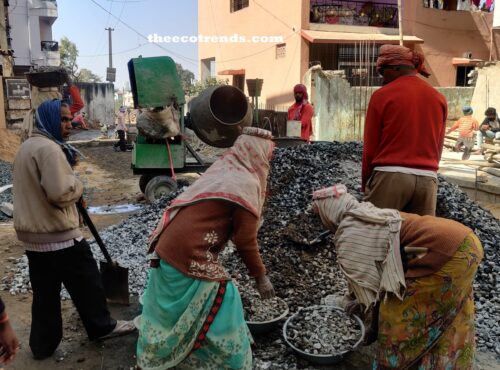
Dignity of labour means – all jobs are equal and no job should be considered as big or small.
Dignity of labour means – all jobs are equal and no job should be considered as big or small.
Both the banyan and tamarind trees have large canopy and plenty of leaves. These produce lots of oxygen and absorb lots of carbon dioxide. Thus, besides numerous other benefits they keep up the balance of environment.
It is now a general opinion that if we see something moving, it is alive.
Energy is the basic force capable of running life. But, the sources of energy are running short.
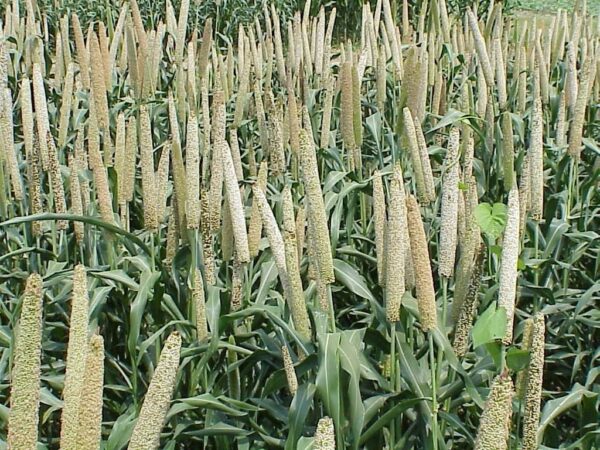
Lots of discussion is going on about combining coarse grains in our food. The United Nations has decided to celebrate the year 2023 on international levels the year of course grains. It was initiated by the Prime Minister of India Mr. Narendra Modi.
The bread of maize and vegetable of mustard leaves during winter are popular food items. Their popularity originates basically from the Punjab state of India.
The whole world is worried due to the new variant of corona Omicron. The era of lockdowns has again started because Omicron is seen as more deadly variant. WHO has declared that it disseminates faster and is more dangerous. Everyone has been warned to strengthen securities.
The term animal has its origin from the Latin word animalis which means one who has breath. This word is usually applied for the non-human members of the Kingdom Animalia in animal taxonomy.
A group of sixteen elephants entered into three villages of Doranda Panchayat of Bero sub division of Ranchi district. These villages are Sero, Baidh Khijri and Karge.
The biosphere is itself a vast ecosystem which incorporates all the small ecosystems. But, the biosphere may have different types of physical conditions, communities of plants and animals, and climatic conditions in its different zones.
Nerium oleander is commonly known as Oleander or Nerium. It is a shrub cultivated in sub-tropical and temperate areas as ornamental or landscaping plant. In India it is currently grown along highways and gardens.
Land management is the process of managing the use and development of land resources in rural and urban areas. Land resources are used for a variety of purposes which may include organic agriculture, reforestation, water resource management and eco-tourism projects.