Social Dimensions of Environment
The Social Dimensions of environment incorporate – Demographic Pattern, Life styles of people, Human Health and Habitat, and Social Interactions…
The Social Dimensions of environment incorporate – Demographic Pattern, Life styles of people, Human Health and Habitat, and Social Interactions…
Different news agencies report the Supreme Court’s comment that no one can celebrate functions at the cost of lives of others.
Such bio-chemical and physiological management of body through which body activities remain in control while keeping up adjustments with different body organs
Ant colonies are Eusocial which means living in a cooperative group in which usually one female and several males are reproductively active and the non-breeding individuals care for the young and protect the group. These are very much like those found in other social animals though the various groups of these developed sociality independently through convergent evolution.
According to the Policy Document of Indian Agriculture Policy, Agriculture in India is a way of life, a tradition, which,…
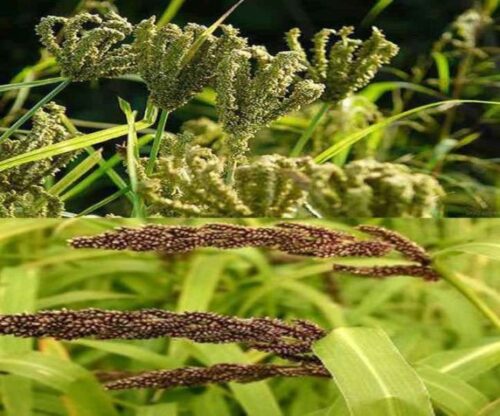
Madua or ragi or finger millet which falls under coarse grain is a very nutritive diet. The Indian Government has declared an integrated policy to encourage the use of coarse grain. Through it is clear that importance of coarse grain is about to rise in near future.
We have damaged ecosystems in the name of development. Wildlife too is facing danger. Our activities have impacted in such ways that animal population has fallen into a serious zone of danger.
Living beings interact among themselves in the same species, with the members of the other species, and with the components of the abiotic environment in an ecosystem. Interaction between the members of the same species is called as Intraspecific whereas the interaction among individuals of different species is called as Interspecific.
Our environment today is facing a number of problems. All those problems are causing dangers to take shape against the existence of the whole biosphere of this planet. But who is behind all those problems? The answer is – M A N.
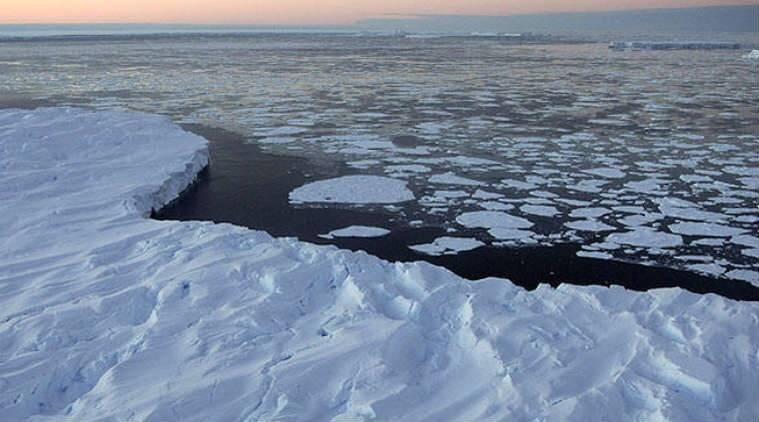
The regular pattern of weather conditions of a particular place is called as climate of that place. This regular pattern of weather conditions is considerably disturbed by fluctuations in temperature. The disturbance in the pattern of weather conditions at the particular place may thus be called as Climate Change.
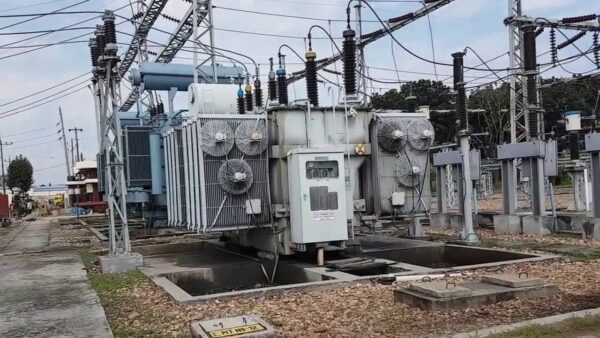
Everyone has stated experiencing heat with the start of changes in season. Everyone has started feeling need of fans, air conditioners, coolers and refrigerators. Walking of people outside houses has become still due to partial lockdown of corona phase 2 lockdown. Under these conditions people need electricity supply for rest and recreation.
The environment has two basic components: Biotic and Abiotic. The biotic components of an ecosystem are living beings—plants, animals, and…