
A Novel Scheme for Retiring Teachers in Jharkhand
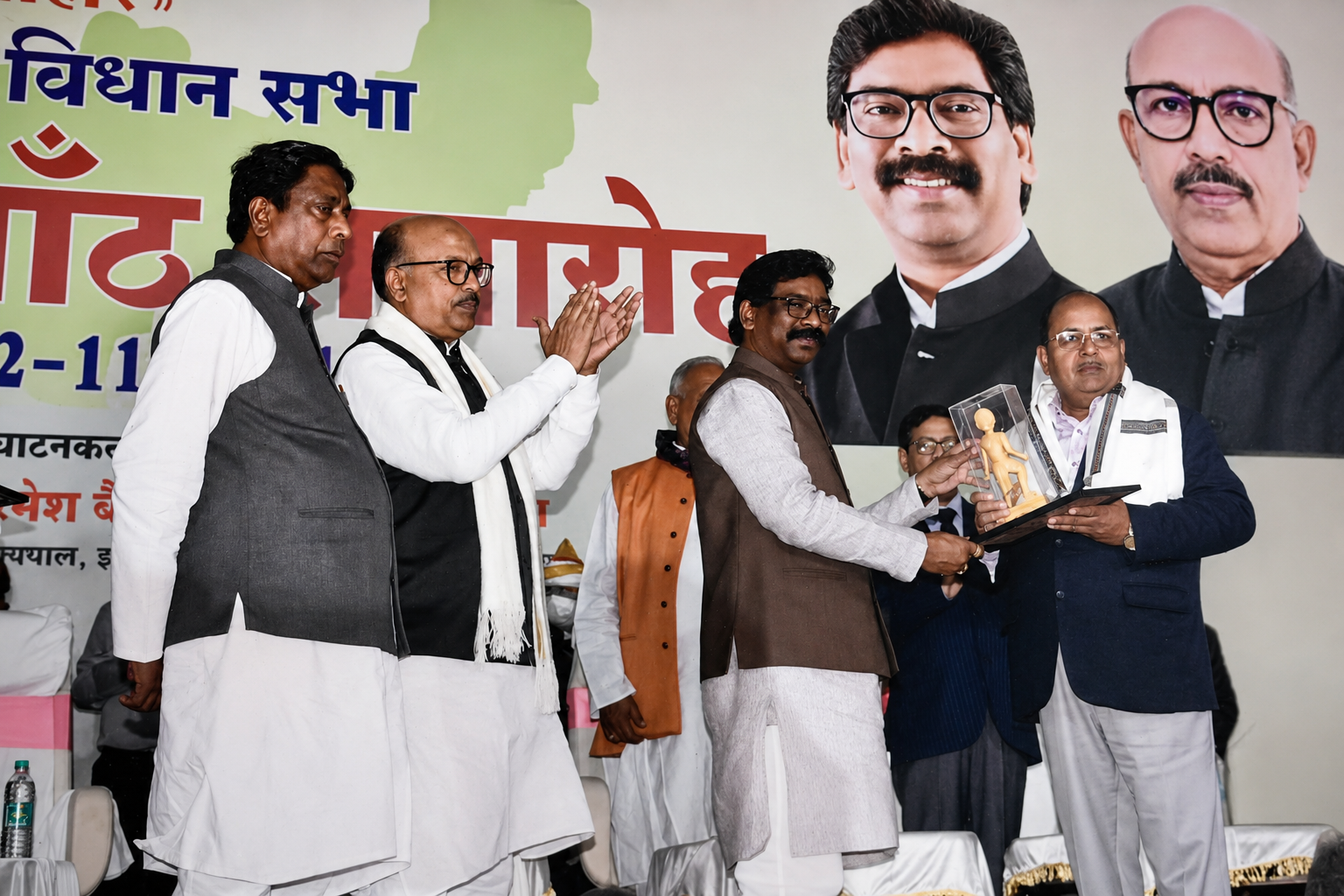
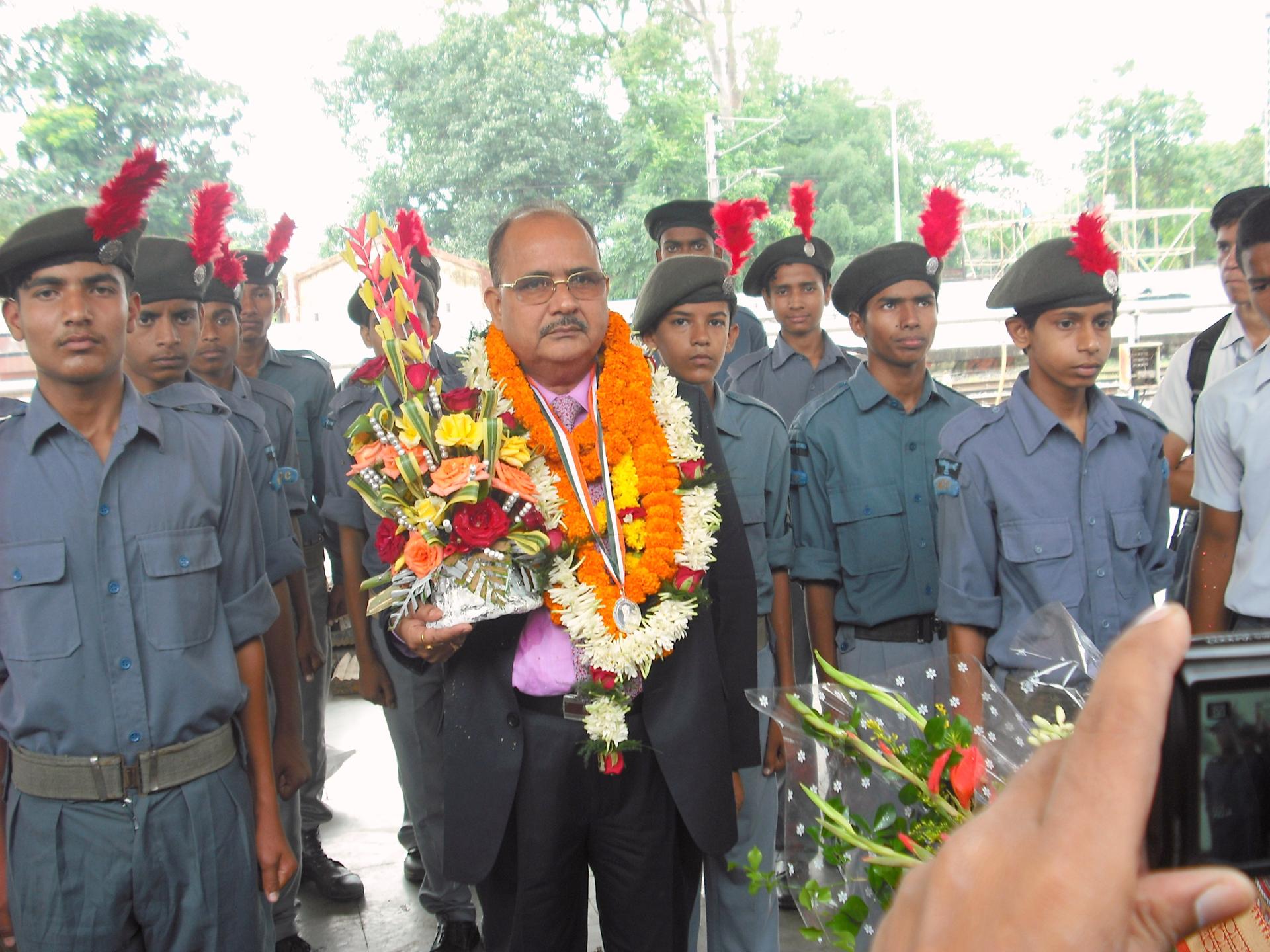
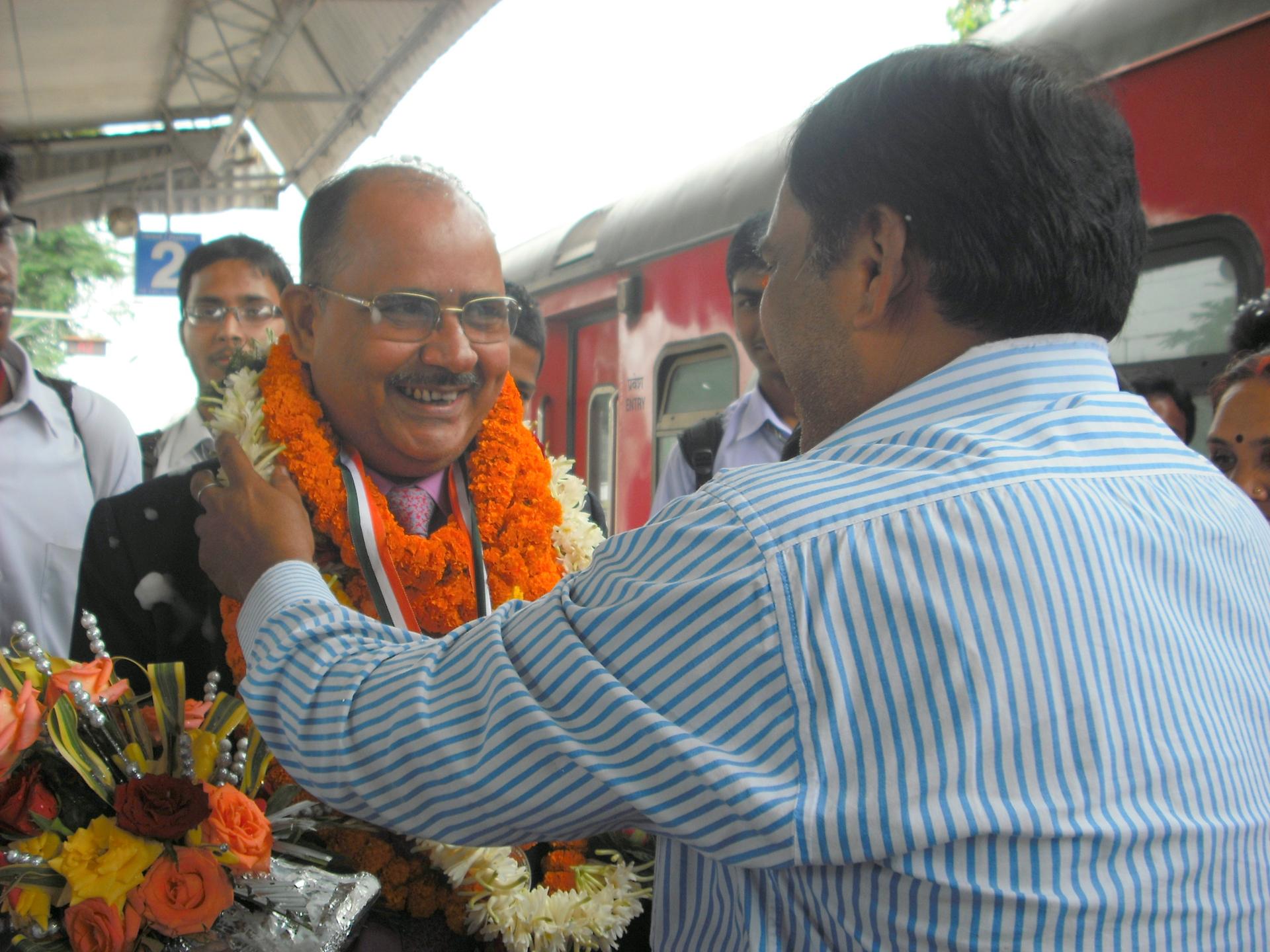
“Pension Aapke Dwar” or the “Pension at your doorstep” is a novel scheme of providing Pension to retiring School Teachers on the Date of their retirement in Jharkhand.
“Pension Aapke Dwar” or the “Pension at your doorstep” is a novel scheme of providing Pension to retiring School Teachers on the Date of their retirement in Jharkhand.
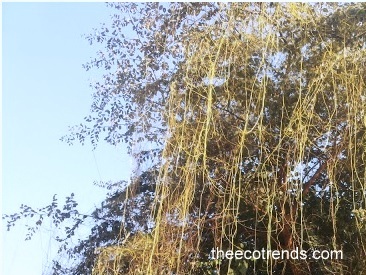
Cuscuta is found throughout the temperate and tropical regions of the world. It has great species diversity in subtropical and tropical regions of the world. It has many folk names like wizard net, devil’s hair, goldthread, hair weed, love wine; strangle weed, angel’s hair, and witch’s hair.
man is causing serious impacts on environment. Concrete jungles do not allow rain water to enter into the gound. As such water table is falling down.
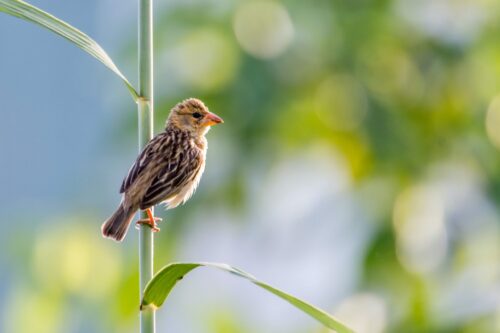
Most of you us have seen the Baya birds – peculiar birds of monsoon season. These beautiful birds are found in many states of India and of course in many other countries of the world. These birds are also found all over Java and Sumatra.
Living beings have many processes in common. Among all the common processes there is one very interesting and wonderful process…
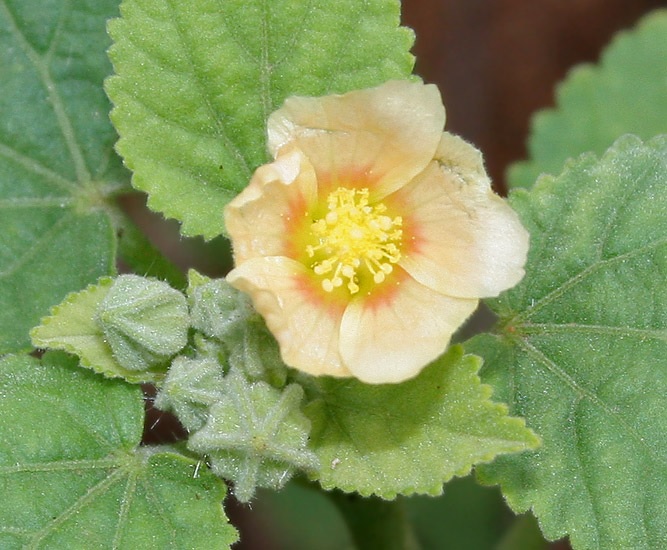
Sida is a shrubby plant which belongs to Malvaceae, a family of flowering plants. It grows in the wild in different types of habitats like overgrazed lands, roadsides; along the sides of walls of old buildings etc.
Substances that are thrown out to some place due to their uselessness or excreted out of our body are called as waste substances.
Living organisms capable of synthesizing food on their own are called as plants. They contain chlorophyll, the green magnesium compound which helps in trapping the energy from sun. This energy runs the process of photosynthesis through which glucose is basically synthesized in leaves and green stems on combining together the atmospheric carbon dioxide and water.
New Technologies are developed for improving and increasing industrial production. Similarly, new projects are formulated for providing energy to those…
Different news agencies report the Supreme Court’s comment that no one can celebrate functions at the cost of lives of others.
Human activities of pollution are modifying the natural process of green house effect. The advent of the Industrial Revolution in the 1700s boosted up the activities of burning of fossil fuels like coal, oil and natural gas which released lots of heat absorbing gases into the atmosphere.
The food eaten by any one comprises many different components like – Carbohydrates, Proteins, fats, Minerals, and Vitamins and water. For humans and big animals water too has been accepted as a necessary component of food.