
Natural Habitats of animals and their importance
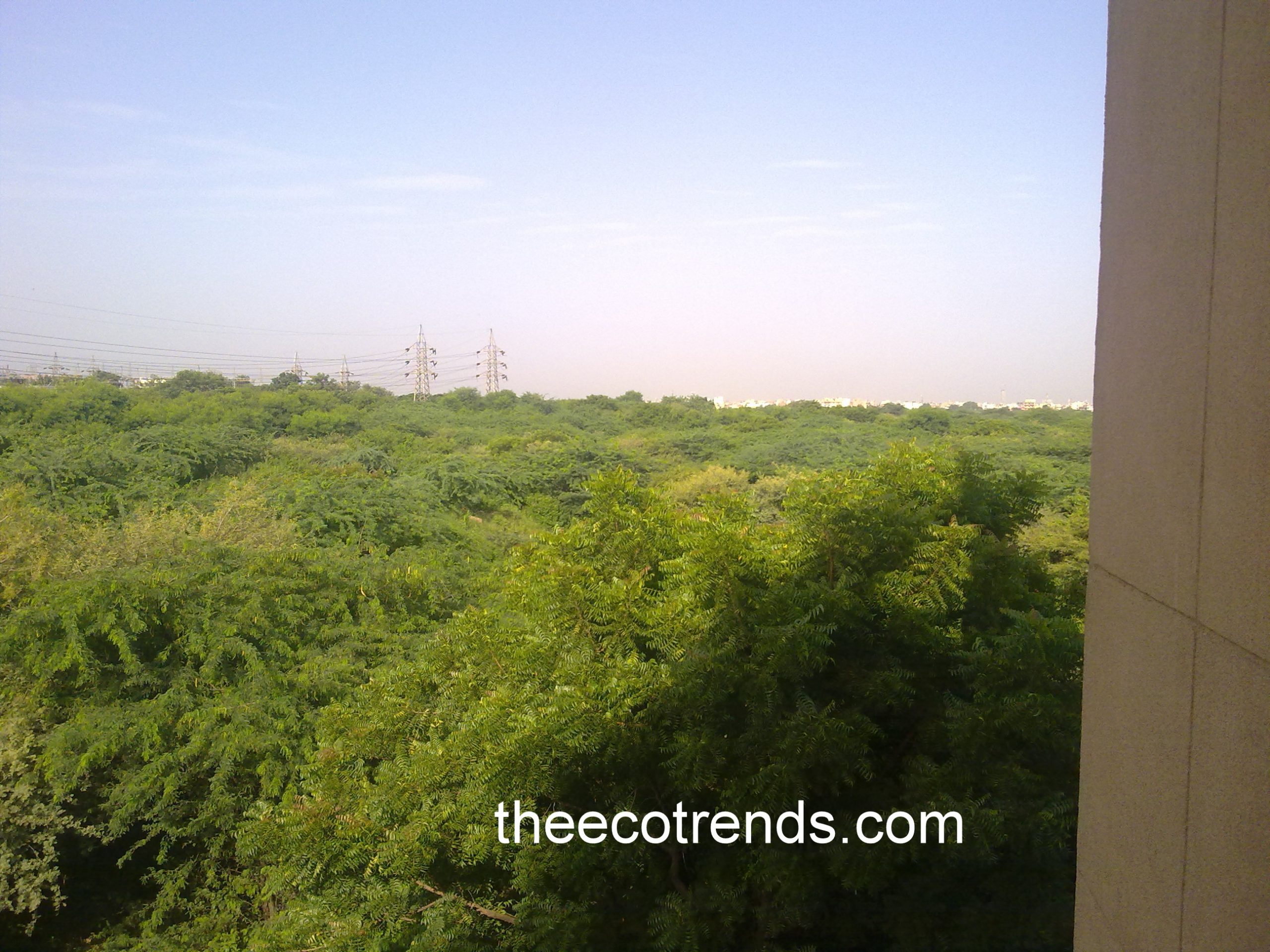
Natural habitats support a variety of living organisms, some of which endemic to one particular habitat.
Natural habitats support a variety of living organisms, some of which endemic to one particular habitat.
Anything from which we can derive energy is called as a source of energy. Since all the life processes need energy, energy is most important for our survival.
Our body derives energy from the food we eat. Thus, the food we eat is the source of energy for our body. But this is not the whole story. We need energy for our growth and economic development as well.
Interdependence between two species through which individuals of either one or both species benefit is called positive interdependence. The benefits to the individual of any species through this relationship may be continuous or transitory, obligate or facultative. Both partners in this type of relationship may be in close contact; one may be inside some specific area or attached to the surface of the other’s body. Positive interdependence is divided into three major types: mutualism, Commensalism, and proto-cooperation.
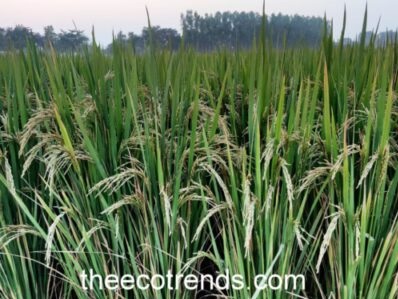
More than half of the population of the world comprises farmers. These farmers know that maintenance and conservation of natural resources are very important to sustain their livelihoods. However, the demand of more and more food due to exploding population and higher expectations for comfort and wealth forces these farmers to exploit more and more of the natural resources through the application of modern technology.
Vast variability exists in the distribution or occurrence of different life forms in different habitats. The variability of life forms in a particular habitat is considered as the biodiversity of that habitat.
I did not know about the Valentine’s Day or the Valentine’s Week even till I was married. I don’t know either when I knew about it.
Days have gone when students felt it very hard for them to have a friendly talk with their teachers. There were miles of hesitations between a students and teachers.
In the classroom set up many students were so shy and hesitant that they even did not lift up their hands to answer a question even when they knew it properly.
Singhara is known as the Water Caltrop in English. In Botany it is known as Trapa nutans. Its other two species are Trapa bicornis, and Trapa rossica. The later is an endangered species.
The Envelope of air held around the earth by its magnetic force, gravity or geomagnetism, is called the atmosphere.
ASSESSMENT: NCERT QUESTIONS WITH ANSWERS
The reflex action is an involuntary action which goes on automatically. We don’t have any control on this type of action. Walking, on the other hand is a voluntary action which can be controlled and modified by us.
The unit of biosphere having all the components producers, consumers and decomposers and the abiotic components together with physical factors in dynamic relationships is called as ecosystem.
Substances that cause pollution of air are called as air- pollutants or atmospheric pollutants. These are fine Primary Pollutants that contribute more than 90 percent of global air pollution. These fine pollutants are carbon monoxide (CO); Nitrogen oxides (NOx); Sulphur oxides (Sox) and particulates. These pollutants can be put into two broad categories A. Gaseous Pollutants, and B. Particulates.