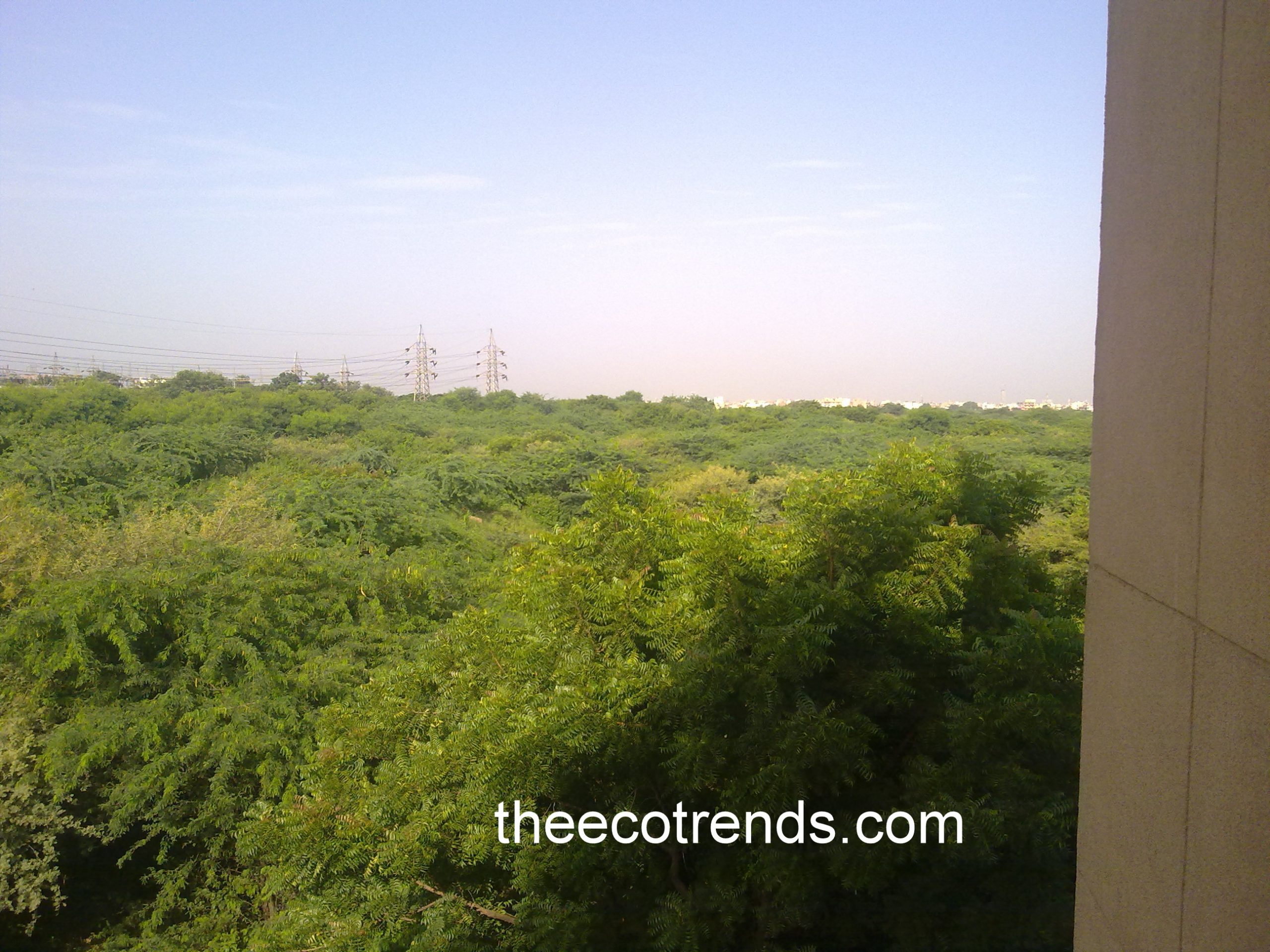
natural habitat

Advertisement
November 1, 2024

Conservation of Wildlife   

Conservation of species in their natural habitats- in areas where they occur under normal conditions is called in-situ conservation.

This type of conservation strategy protects the entire area. Such an area is protected and maintained to conserve all the known or unknown species inhabiting it.

In this type of conservation, species are not isolated or provided with health care, food, or mating facilities. Only factors detrimental to species’ existence and development are eliminated in this conservation strategy. Human interference, such as hunting, cutting down trees, collecting firewood, etc., is completely banned in such areas.
Read Article
October 10, 2024

Habitat Destruction and Loss of Water Bodies

The predominant features that create structural complexity in the environment, such as plants or animals are called as a habitat.

A process, in which natural habitat is rendered functionally unable to support the plants and animals occupying it, is named as Habitat destruction. In the process of habitat destruction, plants and animals that previously used the place are displaced or destroyed, reducing biodiversity.

Read Article
September 30, 2021 Recommended

Population Control

Through different means – natural and unnatural the process of keeping in a limit the growth of population is called as Population Control. It is essential for the welfare of human families. This is the reason why its name has been changed to the Family Welfare.

Read Article
October 29, 2024 Recommended

Underlying Causes of Loss of Biodiversity

Varieties of Biological Resources are in international demand today. To meet this international demand, illegal smuggling of these resources is done through illegal routes. Some species of plants and animals have been threatened, rare, endangered or critically endangered due to such practices. Several valuable species of plants and animals have become extinct due to these activities. The international trade in animal body parts is increasing rather rapidly due to their high prices in the international markets. Where possible, the trade of whole animals is also in full swing.

Read Article
January 1, 2025 Recommended

Various Important Alternatives to Deforestation

Deforestation contributes up to 20 percent of greenhouse gas emission which is more than the combined emission by all the cars, trucks, planes, boats and, trains of the world. Deforestation threatens our climate. Besides this, it threatens the livelihoods of 1.6 billion people who depend on forests for food and economic activities. They serve as habitats to rare and so far, undiscovered species of plants and animals. They also play a key role in maintaining water cycles and preventing floods and soil erosion. Hence, forests across the world need urgent measure of protection by all possible ways, may it be through alternatives to deforestation.

Read Article
October 7, 2024 Recommended

Causes and Impacts of Genetic Erosion

In the modern age of industrialization and competition for development, the human race has badly missed its traditions up to major extents and cultures- up to some extent.

Read Article
September 9, 2021 Recommended

Vegetative Propagation of Plants

When a new plant is developed or caused to develop through stem, root or leaf the method is called as vegetative reproduction. In other words, vegetative reproduction means- reproduction through anyone of the vegetative parts of the plant.

Read Article
December 1, 2020 Recommended

Our Food, Culture and Biodiversity

Thus, diversity of food is in fact the diversity of culture or at least you can say that cultural diversity of India is linked to its biodiversity. And so, the cultural diversity of the world is linked to its biodiversity. But often, we don’t get ready to accept it.

Read Article
October 24, 2020 Recommended

Basic Concept of Biodiversity

Vast variability exists in the distribution or occurrence of different life forms in different habitats. The variability of life forms in a particular habitat is considered as the biodiversity of that habitat.

Read Article
Advertisement
Gallery Picture
Gallery Picture
Gallery Picture
Gallery Picture
Gallery Picture
Gallery Picture
Gallery Picture
Gallery Picture
Gallery Picture
Gallery Picture
Gallery Picture
Gallery Picture
Gallery Picture
Gallery Picture
Gallery Picture
Gallery Picture
Gallery Picture
Gallery Picture
Gallery Picture
Gallery Picture
Gallery Picture