Management and Protection of Crops
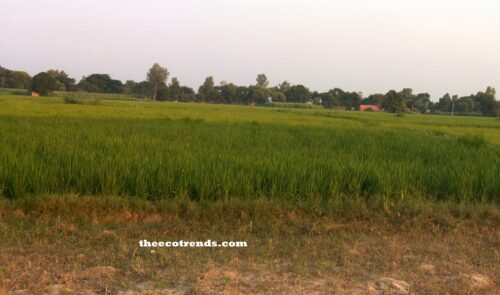
Proper arrangement of resources and techniques to check losses to crops through different factors is called as Crop Protection Management.
Proper arrangement of resources and techniques to check losses to crops through different factors is called as Crop Protection Management.
Environment and its components like wildlife and Natural Resources constitute the vital life support system for all life on this planet. The protection of these through the cumulative efforts of the world community started across globe due to the persistent efforts of the United Nations through its Environmental Programme (UNEP).
The process of recovering or reusing usable materials from discarded waste is called recycling. For example, about 15 per cent of Sulphuric acid is recycled in chemical manufacturing. In the early days, all the sulphur needed for the production of sulphuric acid was taken out of mines directly. But now, with the prevailing tendencies of recycling, sulphuric acid manufacturing industries are using sulphur from smelters, refineries, etc.
Brain and Spinal cord together constitute the Nervous System. The nervous system receives information in the form of impulses from all parts of the body and integrates this information.
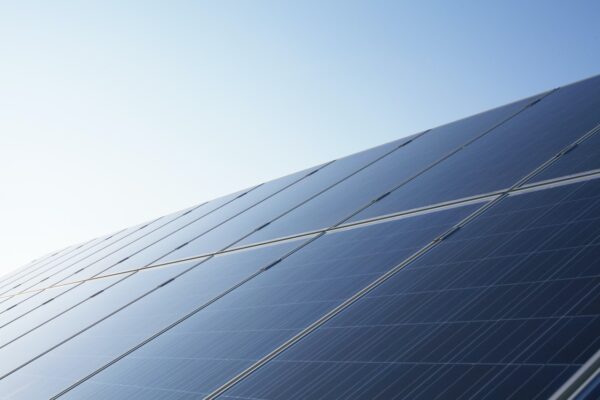
Recently, it has been found that Photo Voltaic Cells cannot be popularly used for power generation on large scales. However, our scientists have discovered that the alignment of Carbon Nano Tube with the polymer composites substrate would give very high efficiency in Photo Voltaic Conversion.
Constructing a new infrastructure; expanding a residential area; building an industrial plant; increasing the capacity of an airport – are some typical examples of developments that can be carried out only if the competent planning authorities grant the authorization.
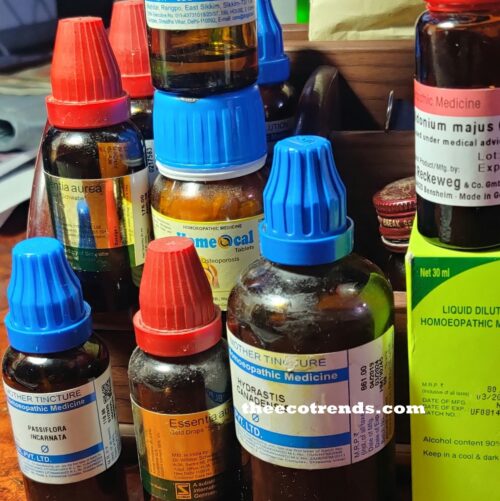
The Homoeopathic System of Medical Care is based on equality. Dr. Christian Friedrich Samuel Hahnemann created the pseudoscientific System of Alternative Medicine called Homoeopathy in 1796. He was born on 10th April 1755 in Meissen, Germany and died on 2nd July 1843 in Paris, France.
Family is a universal Organisaion. The structure and form of a family varies from society to society. Variations in the forms of family are created by culture, social system, social values, and conditions of life. It is difficult to classify family on any one of these bases.
Introduction to Nuclear Family A nuclear family is a small family unit consisting of parents and their children. In modern…
The demand of medicinal plants has increased during the corona-period due to increasing importance of Ayurveda. Everyone is not only aware about “immunity”, companies producing herbal products have started launching different products that increase and strengthen immunity.
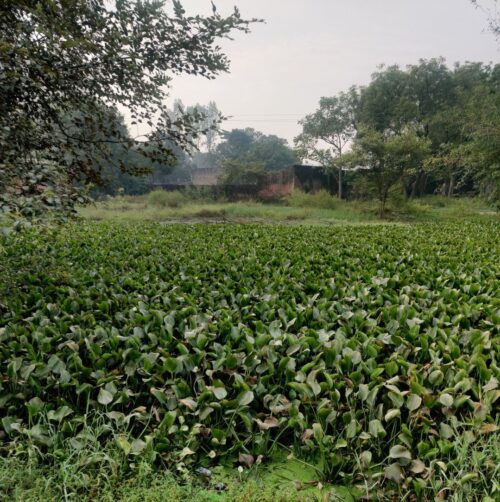
Sometimes back Ranchi was known as the city of ponds. Every area by then had a pond and people of…
Animals could be mainly divided into wild and domestic.
However, the domestic animals that live under wild conditions are called Feral Animals. It is not very difficult to understand a domestic animal from a wild animal, by looking at them, as there are many differences exhibited between them.