
Eat Ginger to treat Degenerative Disorders
Ginger is one of the most commonly consumed condiments in the world. It is botanically known as Zingiber officinalis and…
Ginger is one of the most commonly consumed condiments in the world. It is botanically known as Zingiber officinalis and…
ASSESSMENT: NCERT QUESTIONS WITH ANSWERS
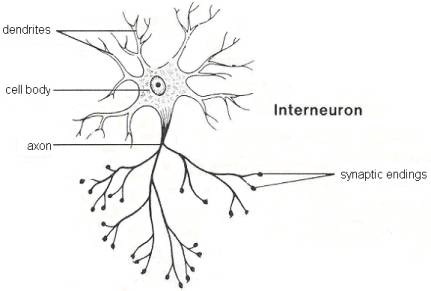
The reflex action is an involuntary action which goes on automatically. We don’t have any control on this type of action. Walking, on the other hand is a voluntary action which can be controlled and modified by us.
Traders have turned faces against Chinese goods this Diwali season. It has increased the hopes of Soil Workers (Potters) in India.
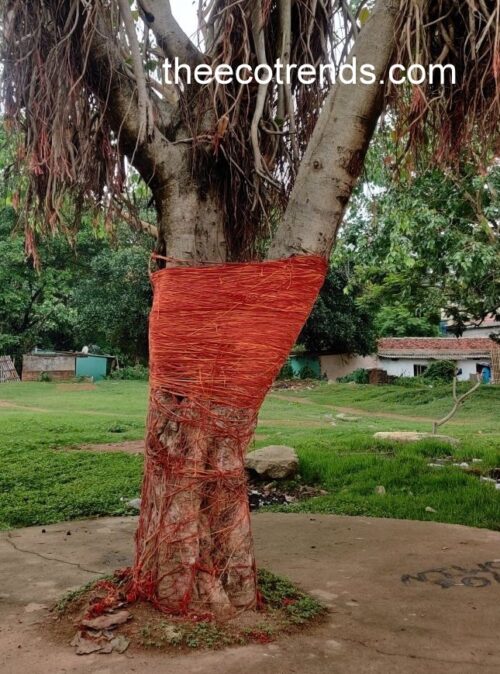
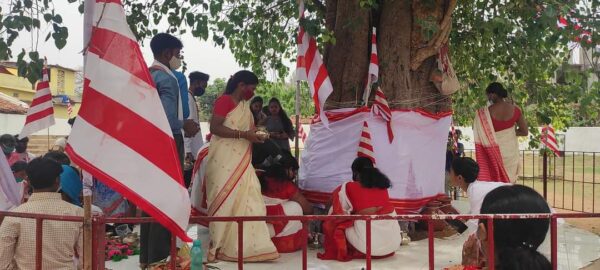
Tribal people of Jharkhand worship Karam Tree during their Karma Pooja. During this Pooja twigs of Karam Tree are planted at a sacred place. The Pahans (Purohits) worship these branches.
Soil is the loose material that covers the land surface of the earth, supports the growth of plants and acts as a habitat for numerous organisms.
Everyone wishes to increase his body immunity in the current fearful period of corona. Earlier, very few talked about immunity and no- one probably ever talked to make efforts for increasing it.
A group of individuals of a particular species occupying a particular area at specific time is called as population. A species is a group of similar type of organisms that can interbreed under natural conditions. The interbreeding organisms of a species produce new organisms and finally result into the growth of population. This is true for all the life forms including human beings.
Food spoilage is the undesired process through which the quality of food deteriorates to a point that it no longer remains fit for eating. Such a food becomes harmful or poisonous and any one eating such type of food may fall ill seriously.
Sarhul is celebrated on Chaitra Shukla Paksha Tritiya, which is today. Yes, the great Festival of tribal people of Jharkhand which is called as Sarhul is today.
Nerium oleander is commonly known as Oleander or Nerium. It is a shrub cultivated in sub-tropical and temperate areas as ornamental or landscaping plant. In India it is currently grown along highways and gardens.
community in India has traditionally been rearing sheep to earn their livelihood. Circus owners still keep many types of animals as performers and earn money through their shows.