Transfer of Food through Ecosystems
All biosphere ecosystems have well-organized functions, such as cycling nutrients through food chains, operating biogeochemical cycles, and maintainiRead More…


All biosphere ecosystems have well-organized functions, such as cycling nutrients through food chains, operating biogeochemical cycles, and maintainiRead More…

Interdependence between two species through which individuals of either one or both species benefit is called positive interdependence. The benefits Read More…

A habitat is the natural home or environment of an animal, plant, or other organism. As such, a microhabitat is a habitat that is small or limitedRead More…

Ecosystems can be categorised into two broad categories: natural and artificial. Natural Ecosystems are those ecosystems that operate by themselves uRead More…

The environment has two basic components: Biotic and Abiotic. The biotic components of an ecosystem are living beings—plants, animals, and microorgRead More…

The environment of our earth has a number of life zones that support birth and development of all types of organisms. All the life zones of the eaRead More…

Energy is the basis of the whole biosphere. Both the living beings and the non-livings contain energy. That energy is hidden in between atoms and Read More…
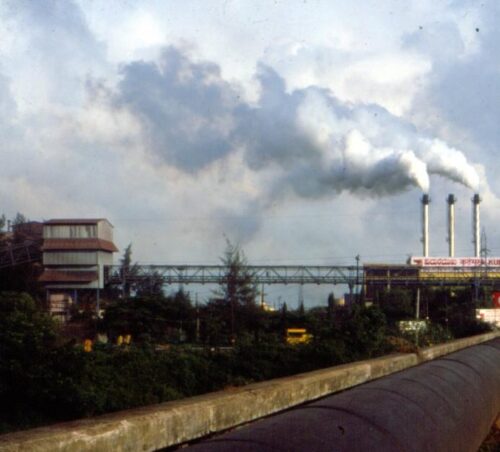
Fossil fuels- coal, petroleum and natural gas, are sources of energy and lots of useful substances. They have been and still they are the back bones Read More…

Ecosystem analysis (EFA) was originally developed for monitoring rangelands for the purpose of sustainable development and maintenance of biodiversitRead More…
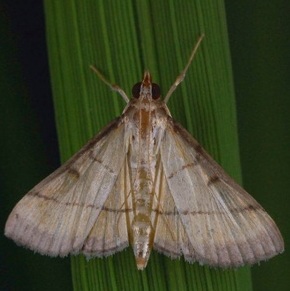
All the life forms in an ecosystem constitute Biotic components of that ecosystem. These components constitute three Trophic Levels. These trophic leRead More…