Institutions of Globalization
Following institutions have shaped the current era of globalization- (a) International Monetary Fund (IMF), (b) World Bank, and (c) World…


Following institutions have shaped the current era of globalization- (a) International Monetary Fund (IMF), (b) World Bank, and (c) World…
On June 26, 1945 fifty-one; nations representing 80% of the world’s population approved and signed a charter for the establishment of a world body of nations – the United Nations Organisation (UNO); at San Francisco.
The liberalization and the Globalization have brought a number of visible and invisible changes in the World Economy. Some of the visible changes are- better communication systems, processed food and soft drinks.
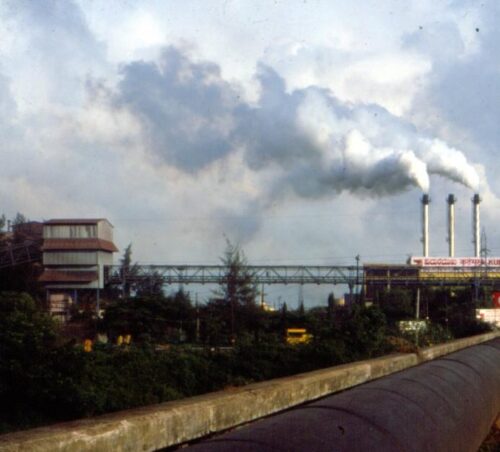
The Environmental Calamities that shook the humanity during fifties and sixties were powerful enough to generate serious and widespread sense of responsibility among world nations towards the global environment. Some of these calamities include : The killer smog in New York and London which claimed 5000 lives in 1952; The mercury poisoning due to the consumption of mercury-contaminated seafood in Japan;
Modern development has caused a number of environmental problems at local, regional, national and international levels. Global Climate Change, depletion of ozone layer, increasing inequality, reduction in the means of livelihood for poor, scarcity of food, increasing number of disasters, extinction of species, falling underground water table etc. are some of the major environmental problems created by modern unsustainable development. These problems are challenging the existence of human race on this planet.
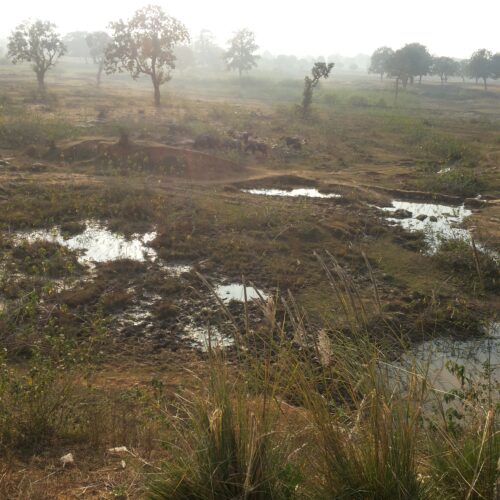
Mixing of different types of substances in soil- which affects its natural qualities, and reduces its fertility- is called as soil pollution. Some environmentalists define soil pollution as – build-up of toxic chemical compounds, salts, pathogens or radioactive materials in soil that can affect plant and animal life adversely, is called as soil pollution.
It is due to frequent oil spills that sea otters, many sea birds, whales and many other species of the marine environment have become endangered. The oil spill damages fisheries and Mari culture, and causes serious economic losses to the local public and the governments.
Fossil fuels- coal, petroleum and natural gas, are sources of energy and lots of useful substances. They have been and still they are the back bones of the economic developments and the basis of the modern civilization.
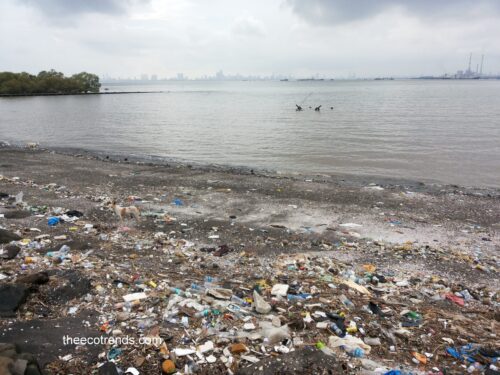
Mixing of different solid, liquid or gaseous substances and microorganisms into water, so as to alter its natural qualities is called as water pollution. According to the National Water Commission (1973), water gets polluted if it has not been of sufficiently high quality to be suitable for the highest uses people wish to make of it at present or in future.