
The Death of Jordanov Bruno
Jordanov was a famous Italian philosopher, astronomer, mathematician and poet of 16th century. He was born in Shola, Italy in 1548.
Jordanov was a famous Italian philosopher, astronomer, mathematician and poet of 16th century. He was born in Shola, Italy in 1548.
Onion is a bulb. It is a vegetable which is most widely cultivated species. Its genus is Allium. This genus…
More than half of the population of the world comprises farmers. These farmers know that maintenance and conservation of natural resources are very important to sustain their livelihoods. However, the demand of more and more food due to exploding population and higher expectations for comfort and wealth forces these farmers to exploit more and more of the natural resources through the application of modern technology.
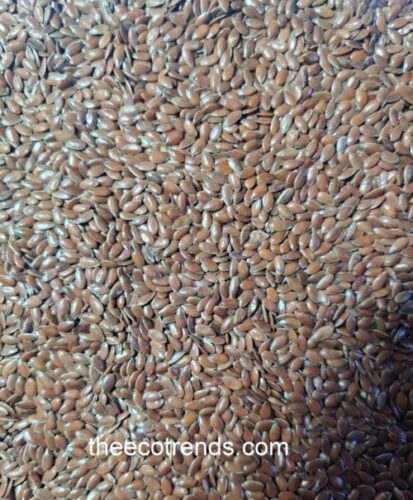
In irrigated conditions 80 kg of Nitrogenous fertilizers, 30 kg of Phosphorus, 20 kg of Potassium and 20 kg of Sulphur fertilizers are recommended in one hectare of land for the linseed cultivation.
The comfortable life style has reduced mobility of men, women, and children. The lock down during COVID-19 period has restricted human movement up to greater extent. Under these conditions arthritis may become a reason behind problems of joints.
Many people are working longer and harder, thinking that this will solve the problem of an ever-increasing workload. But they are still falling behind, becoming chronically overwhelmed, and burning out.
Jaggery is a traditional sweet of India. After the appearance of sugar in Indian markets, its use was slowed down for some decades. But now it is being used in urban areas also. It is reported that jaggery contains many medicinal properties and it is full of nutrients.
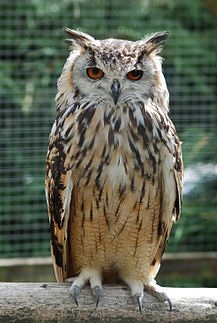
Most of us have seen owls in our surroundings. Owls are hard to be seen in natural settings because they usually remain active during nights only.
Studies and researches that are done in different fields from time to time show increasing complexities in organisms than their ancestors. These studies and evidences show many important evidences of organic evolution.
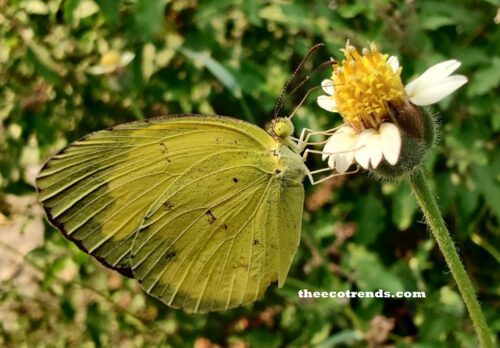
The balance of nature is maintained by its different components -living and non-living, if they remain unaltered by human beings.
Water is the principal constituent of our body. Water is chemically an inorganic, transparent, tasteless, odourless, and colourless. It is the main constituent of the hydrosphere of the earth.