Control of atmospheric pollution- methods and practices
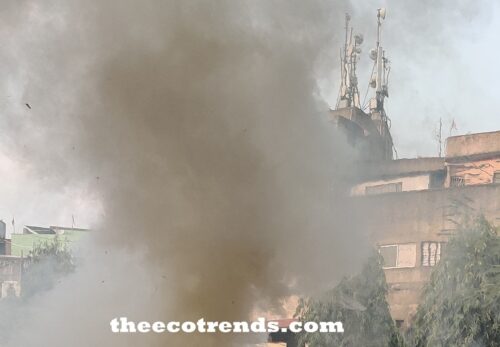
The Pollution of atmosphere leads to severe consequences on local, regional, national and international levels.
The Pollution of atmosphere leads to severe consequences on local, regional, national and international levels.
It is now a general opinion that if we see something moving, it is alive.
All those processes that maintain the body of an organism collectively are called as life processes.
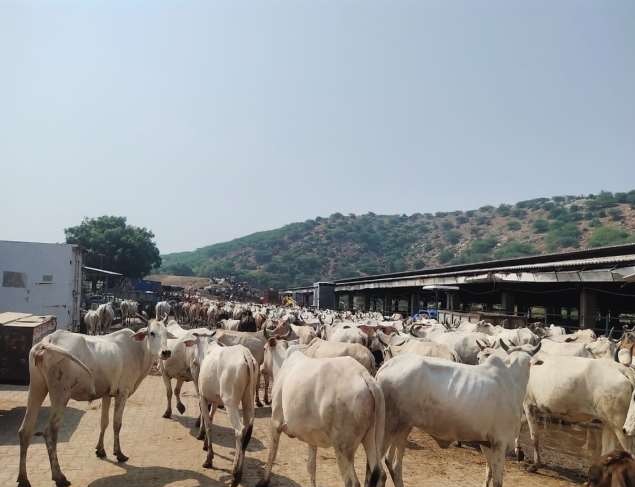
The engineer couple of Chandigarh, Punjab has established a biogas plant in Barsana. From this plant about 300 unit electricity is generated per day. It is through this electricity that fourteen tube wells are run in the Goshalas.
Adolescence remains a critical phase of life. Extra efforts are to be put in managing teens especially in a disturbed period like spread of a pandemic when we have to remain indoors during a lockdown.
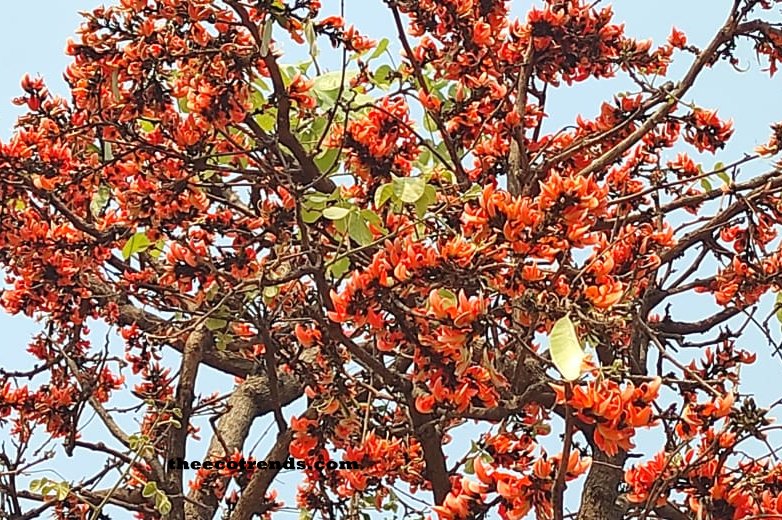
Palash or Butea monosperma is an important tree of taxonomic family Fabaceae which is native to tropical and sub-tropical India. It is also found in Pakistan, Bangladesh, Nepal, and Srilanka etc.
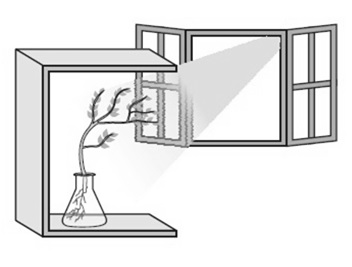
The positive movements of a plant shoot in response to light or movement of shoot towards the source of light is called as Phototropism. If the part of a plant moves away from light, this movement is called as Negative Phototropism.
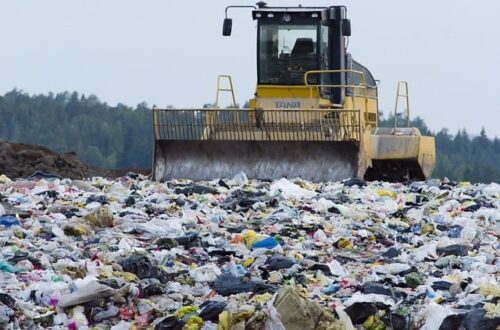
Land-filling is the process of disposing solid waste in low lands or into trenches through proper sanitary methods. It involves- collection, transport, compaction, etc. processes along with proper management for gas-outlet etc. For land filling, the important thing to be taken into account is the distance of waste collection site to the waste dumping site, because it involves cost of transportation.
Some specific characters are found in the parents of each species. These characters are transferred from generation to generation through the process of sexual reproduction.
Hindus and Hindu tribals believe that certain Gods live on some trees. They worship these trees and protect by all means. These trees are called as sacred groves.
The predominant features that create structural complexity in the environment, such as plants or animals are called as a habitat.
A process, in which natural habitat is rendered functionally unable to support the plants and animals occupying it, is named as Habitat destruction. In the process of habitat destruction, plants and animals that previously used the place are displaced or destroyed, reducing biodiversity.