
Ecological Niche and Ecological Habitat
Dictionary defines the term Niche as a comfortable or suitable position in life of a living being, or a role taken by a type of organism within its community.
Dictionary defines the term Niche as a comfortable or suitable position in life of a living being, or a role taken by a type of organism within its community.
Determining male or female form of living organism through sexual reproduction is called as sex determination. Sex determination on a large scale is of two types- environmental, genetic and chromosome based.
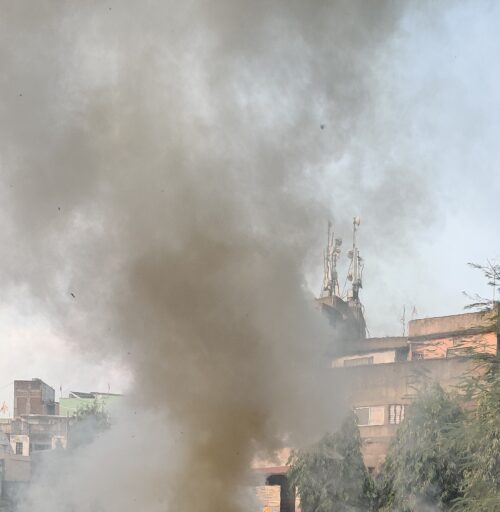
Human activities of pollution are modifying the natural process of green house effect. The advent of the Industrial Revolution in the 1700s boosted up the activities of burning of fossil fuels like coal, oil and natural gas which released lots of heat absorbing gases into the atmosphere.
Deepawali is the time of functions. This is the time when we meet with our friends and relatives. The atmosphere of love and recreation remains all around at this time. But we never think that we forget certain other important things at this time.
Jharkhand state of India has already been self sufficient in the area of Pisciculture. Now, the farmers of the state are working to make the state more progressive in the area of animal husbandry and to set new records for the state.
Days have gone when students felt it very hard for them to have a friendly talk with their teachers. There were miles of hesitations between a students and teachers.
In the classroom set up many students were so shy and hesitant that they even did not lift up their hands to answer a question even when they knew it properly.
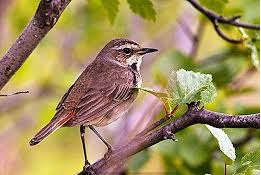
These birds used to fly in and around our houses about some decades ago. But these birds are very rarely seen in our surroundings.
On June 26, 1945 fifty-one; nations representing 80% of the world’s population approved and signed a charter for the establishment of a world body of nations – the United Nations Organisation (UNO); at San Francisco.
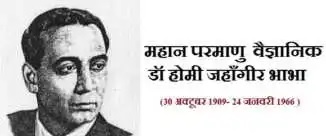
Yes, 24th January is the memory day of Dr. Homi Jahangir Bhabha. He was died in a plane accident. Though it was an accident people have different opinions about it. He is called as the Father of India’s Atomic Programme. It is accepted that India would have been a country of Atomic Power if Dr. Bhabha had lived the accident. His death was considered as suspicious
Earlier women had to do most of the work in household. But, the trend is changing now. Both men and women have to do all the work now. The Inequality at the work place is vanishing now.
Non-renewable resources coal and petroleum are energy sources that we use and consume faster than the rate of their production in nature.
People who suffer from hunger remain undernourished. They don’t get enough food to eat. As such they don’t get energy, they need to live active lives. Undernourished persons remain unable to study, work or otherwise perform physical and mental activities. This condition is especially hard for women and children. Continuous hunger weakens the immune system and makes them vulnerable to diseases and infections. Mothers who suffer continuous hunger often give birth to underweight and weak babies, and they face increased risk of death.