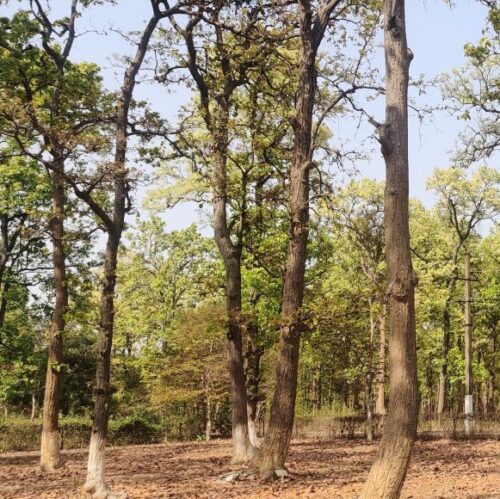

Fresh Water Ecosystems and Marine Ecosystems
The unit of biosphere having all the components producers, consumers and decomposers and the abiotic components together with physical factors in dynamic relationships is called as ecosystem.
The unit of biosphere having all the components producers, consumers and decomposers and the abiotic components together with physical factors in dynamic relationships is called as ecosystem.
The development in all sectors of a country is essential to feed its growing numbers and to feed and to…
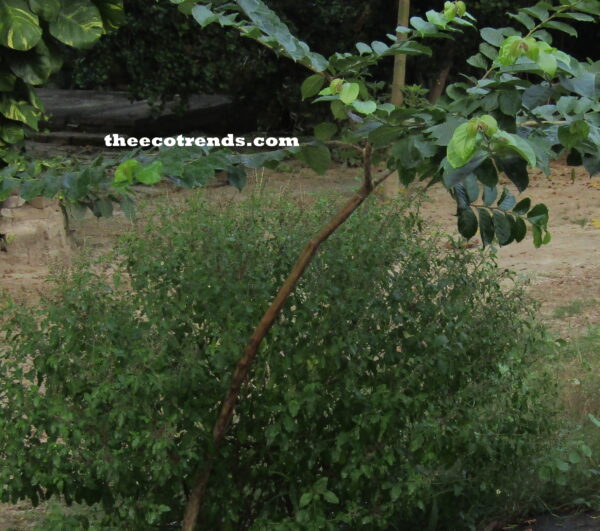
A Hybrid Green House dryer has been developed by Manoj Gaur, a professor at the department of Mechanical Engineering, Madhav Institute of Technology and Sciences Gwalior.
Two organisms- male and female are essential for sexual reproduction. Now let us study some basic methods of reproduction in single organisms.
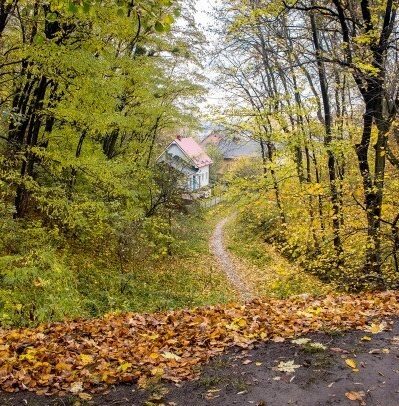
Ecosystems can be categorised into two broad categories: natural and artificial. Natural Ecosystems are those ecosystems that operate by themselves under natural conditions. These ecosystems are further categorized as Terrestrial and Aquatic Ecosystems. Terrestrial ecosystems relate to lands, whereas Aquatic ecosystems relate to fresh or marine water. Freshwater ecosystems may be Lotic or Lentic. Lotic are running water ecosystems like springs, streams or rivers, whereas Lentic Fresh Water Ecosystems may be found in standing waters of lakes, ponds, pools, puddles, ditches, swamps, etc. Marine Ecosystems are found in marine waters of salt lakes, seas, oceans and estuaries. Artificial Ecosystems are man-engineered ecosystems like crop fields, artificial ponds and lakes, aquaria, fish ponds, and abandoned mines reclaimed as lakes or water bodies for recreation.
The balloon vine is an interesting plant of India which is also called as Love in a Puff, the heart pea, the heart seed etc. Botanically, it is called as Cardiospermum halicacabum .This plant belongs to the taxonomic family Sapindaceae or the Soapberry family.
The State Pollution Control Board, Jharkhand has passed an order for cattle rearing people not to keep more than nine cattle with them without its written permission.
The mechanical process of breathing involves inspiration and expiration.
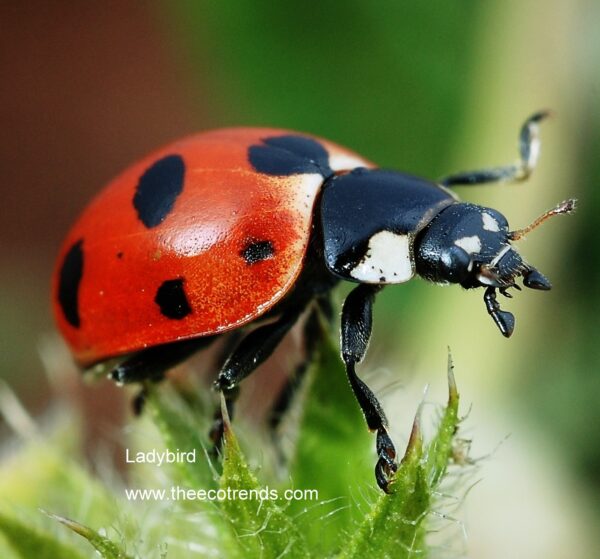
Ladybird is one uncommon compound word made by the union of two simple common words – Lady and Bird. But, the two simple words when joined together can produce strange effect.
Studies and researches that are done in different fields from time to time show increasing complexities in organisms than their ancestors. These studies and evidences show many important evidences of organic evolution.
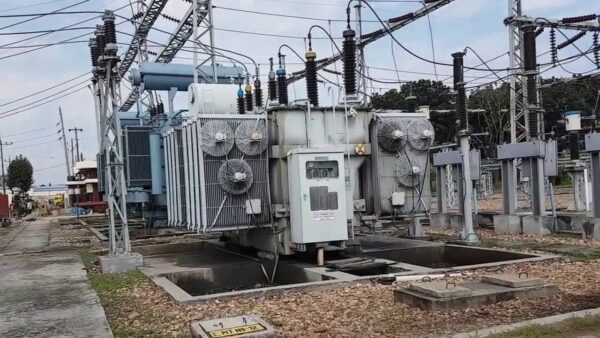
Everyone has stated experiencing heat with the start of changes in season. Everyone has started feeling need of fans, air conditioners, coolers and refrigerators. Walking of people outside houses has become still due to partial lockdown of corona phase 2 lockdown. Under these conditions people need electricity supply for rest and recreation.
The processes of development through years have spurred on unplanned urbanization, extensive industrialization followed by different types of pollutions, construction of a series of mega dams, and large-scale application of Agro-chemicals. In the process, different parts of the world have started facing ecological crises.