
Makar Sankranti: Cultural and Religious Significance
Sankranti or Solstice means: moving from one place to the other or meeting with another. When sun enters from one rashi o the other rashi, it is called as Sankranti.
Sankranti or Solstice means: moving from one place to the other or meeting with another. When sun enters from one rashi o the other rashi, it is called as Sankranti.
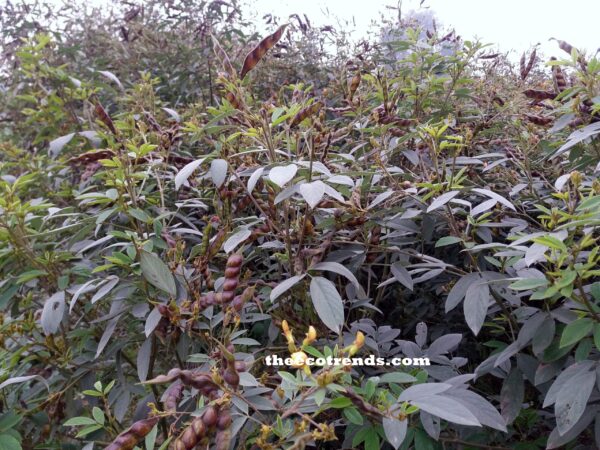
Pulses are full of goodness. Pulses and breads in the breakfast, pulses and rice in the lunch, pulses and vegetables along with bread in the dinner, pulses come in all our foods.
Adolescence remains a critical phase of life. Extra efforts are to be put in managing teens especially in a disturbed period like spread of a pandemic when we have to remain indoors during a lockdown.
Rains in Nepal have always been responsible for floods in Bihar. Most of the rivers flowing through Bihar have their origins in Nepal. Since last three days Nepal is experiencing continuous rainfall. This is why villages in Bihar are being seriously flooded. What can be done?
Biodiversity sources and also other sources supply raw materials to many important industries.
They have aesthetic value and an appeal for ecotourism, which supports the growth of the national economy. They are also potential sources of pharmaceuticals, other chemicals, agricultural materials, etc.
Pharmaceutical products of biodiversity origin offer important medicines to our healthcare systems and prepare a background for many social services. Besides these, biodiversity offers various ecosystem services as each of the numerous species of animals and plants depends on other animals or plants for survival, breeding, and development.
Our environment today is facing a number of problems. All those problems are causing dangers to take shape against the existence of the whole biosphere of this planet. But who is behind all those problems? The answer is – M A N.
From different sources it has been confirmed that air pollution has increased in Indian cities after Deepawali festival. Delhi and many other cities of India are experiencing very heavy pollution. Particulate matter in these cities have increased up to such an extent that many persons have started suffering from breathing related problems.
There are various uses of Solar Energy. Farmers in Traditional Farming Communities used to solarise fields by living them empty after a deep ploughing during summers. It killed insects and pests. Human skin synthesizes vitamin-D when exposed to sunlight for short durations. Mothers used to make their babies sleep in the sun after oiling their bodies during winters in order to keep them healthy and strong.
Our natural resources are known to have some specific qualities of their own. These qualities are known as natural qualities. It is due to specific natural qualities that different natural resources have been useful to us and to the whole biosphere. But now, the condition has changed considerably. Most of our natural resources like air, water and soil have gone bad due to pollution of different types. What is pollution?
Different activities may generate waste which may be solid or liquid. The quality of both solid and liquid wastes is increasing and if the wastes are disposed in an uncontrolled manner these may cause adverse impact on public health and environment. Hence these wastes need to be managed efficiently so as to safeguard public health and environment. In definitional terms, solid and liquid waste management is the collection, transportation, processing, recycling, treatment and disposal of waste materials.
There are many different types of technologies or technological models- such as Low-tech, Hi-tech, alternative, intermediate, appropriate, blended, hard, and soft technologies.
Integrated Pest Management (IPM) in India: Features, Benefits, and Sustainable Agriculture Practices The promotion of Integrated Pest Management (IPM) in…