
Institutions of Globalization
Following institutions have shaped the current era of globalization- (a) International Monetary Fund (IMF), (b) World Bank, and (c) World…
Constructing a new infrastructure; expanding a residential area; building an industrial plant; increasing the capacity of an airport – are some typical examples of developments that can be carried out only if the competent planning authorities grant the authorization.
India has a vibrant tradition of crafts. Though agriculture employs largest number of people in this country, craft section employs and sustains over twenty million people.
community in India has traditionally been rearing sheep to earn their livelihood. Circus owners still keep many types of animals as performers and earn money through their shows.
Following principles and guidelines have been accepted for the control of different types of pollution- A. Prevention of entry into…
Many people are working longer and harder, thinking that this will solve the problem of an ever-increasing workload. But they are still falling behind, becoming chronically overwhelmed, and burning out.
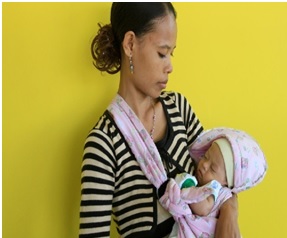
The physical and mental conditions that collectively affect the reproductive capacity of a male or a female are called as reproductive health. The reproductive health is most essential for reproduction.
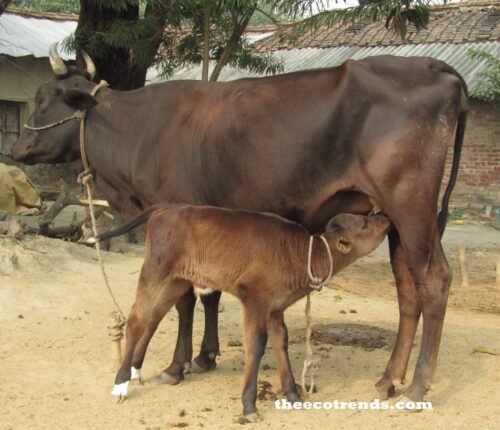
Great diversities are found in terms of sexual reproduction among animals.
The tragedies in the environment stimulated the world nations the recognition of which first appeared in the shape of the United Nations Conference on Human Environment for the preservation and enhancement of its quality, at Stockholm from June 6 to June 16 in the year 1972. The delegates from 114 nations attended the conference and signed the Stockholm Declaration.
The unit of biosphere having all the components producers, consumers and decomposers and the abiotic components together with physical factors in dynamic relationships is called as ecosystem.
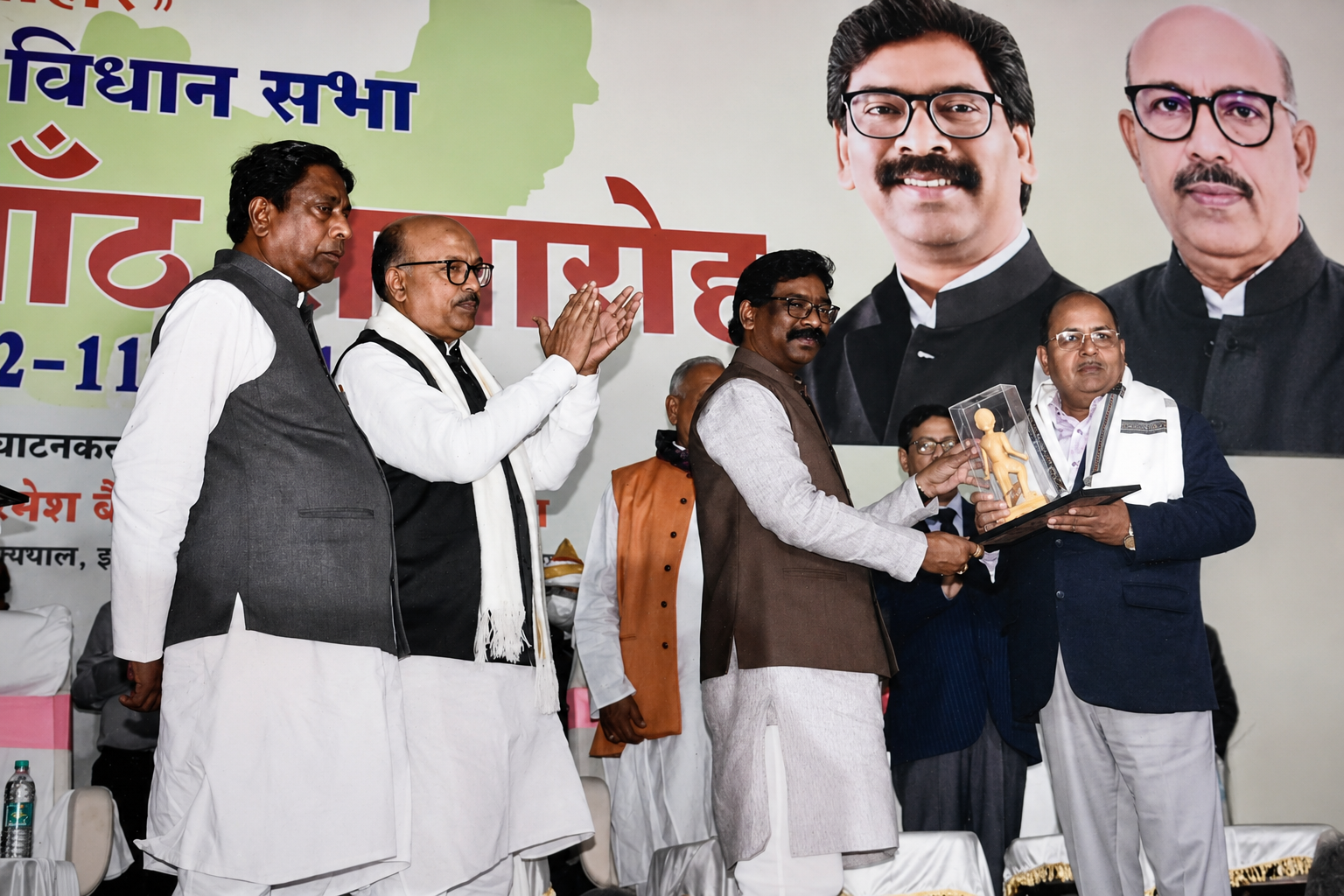
“Pension Aapke Dwar” or the “Pension at your doorstep” is a novel scheme of providing Pension to retiring School Teachers on the Date of their retirement in Jharkhand.
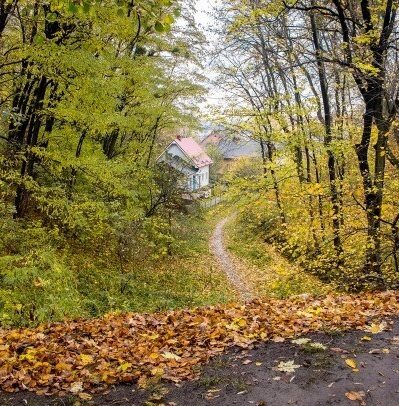
Ecosystems can be categorised into two broad categories: natural and artificial. Natural Ecosystems are those ecosystems that operate by themselves under natural conditions. These ecosystems are further categorized as Terrestrial and Aquatic Ecosystems. Terrestrial ecosystems relate to lands, whereas Aquatic ecosystems relate to fresh or marine water. Freshwater ecosystems may be Lotic or Lentic. Lotic are running water ecosystems like springs, streams or rivers, whereas Lentic Fresh Water Ecosystems may be found in standing waters of lakes, ponds, pools, puddles, ditches, swamps, etc. Marine Ecosystems are found in marine waters of salt lakes, seas, oceans and estuaries. Artificial Ecosystems are man-engineered ecosystems like crop fields, artificial ponds and lakes, aquaria, fish ponds, and abandoned mines reclaimed as lakes or water bodies for recreation.