
IPM in India
Integrated Pest Management (IPM) in India: Features, Benefits, and Sustainable Agriculture Practices The promotion of Integrated Pest Management (IPM) in…
Integrated Pest Management (IPM) in India: Features, Benefits, and Sustainable Agriculture Practices The promotion of Integrated Pest Management (IPM) in…
In a human being the ingestion of food is brought about in mouth where it is crushed into fine pieces by teeth.
Living organisms capable of synthesizing food on their own are called as plants. They contain chlorophyll, the green magnesium compound which helps in trapping the energy from sun. This energy runs the process of photosynthesis through which glucose is basically synthesized in leaves and green stems on combining together the atmospheric carbon dioxide and water.
Roots of plants too, respond to the changes in climate.
The scientists of Punjab Agricultural University (PAU), Ludhiana worked for ten years to develop a new High Yielding Variety of onion entitled POH-1.
There are many different types of technologies or technological models- such as Low-tech, Hi-tech, alternative, intermediate, appropriate, blended, hard, and soft technologies.
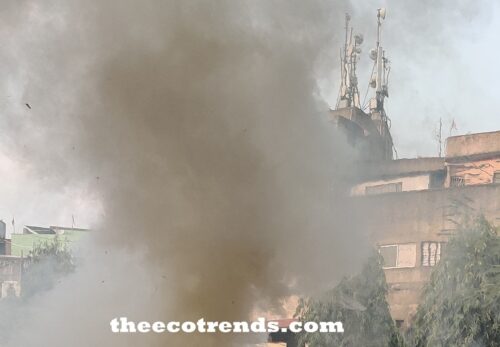
The Pollution of atmosphere leads to severe consequences on local, regional, national and international levels.
The organic matter formed through degradation of decomposable biomass and which is rich in nutrients for the growth and development of plants is called as compost.
The total area where living beings are found is called as biosphere. It can be divided into many small independent units called as Ecosystem. In fact, the unit of biosphere which incorporates many types of microorganisms, plants and animals, physical factors like soil, water, air etc. interacting among themselves is called as ecosystem
Auxins move to darker side of the part of a plant and cause cells of that side to grow larger. These may induce cell division as well. In both of these cases the part of the plant bends.
A forest is a highly complex and constantly changing environment. It is made up of a variety of living things like wildlife, trees, shrubs, wildflowers, ferns, mosses, lichens, fungi and microscopic soil organisms; and non-living things such as water, nutrients, rocks, sunlight and air. Trees are the biggest part of this complex community.
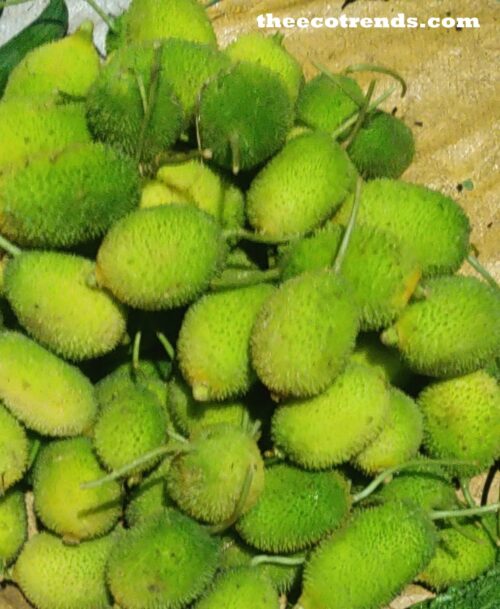
Kheksa is taxonomically known as Momordica dioica. It is commonly known as Kheksa, Spiny gourd, bristly Balsam pear, and Prickly carolaho, Kantola etc. It belongs to the family Cucurbitaceae.