
Processes and Characteristics of Life
All those processes that maintain the body of an organism collectively are called as life processes.
All those processes that maintain the body of an organism collectively are called as life processes.
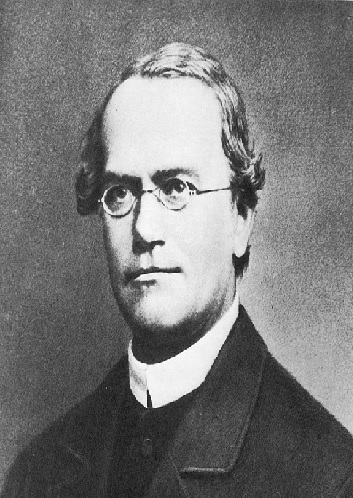
On the basis of his experiments of hybridization Mendel proposed following rules of heredity-1. Law of dominance, 2. Law of iseggregation and , 3.Law of Independent Assortment.
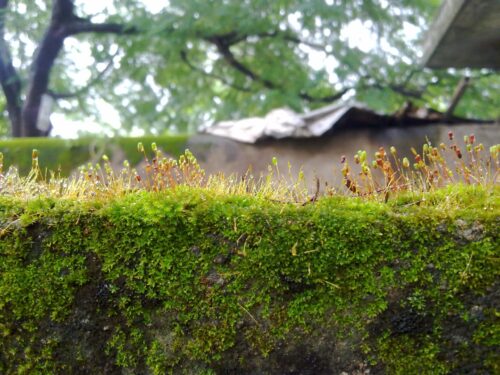
Many ferns grow along north or west facing walls every year. Their spores might have been there in crevices during the dry season. Unless there is a supply of water from leaking pipe they complete their life cycle within the rainy season and pack up with the passing rains. They pass away and leave for us a lesson to remain happy and survive in hard conditions.
Determining male or female form of living organism through sexual reproduction is called as sex determination. Sex determination on a large scale is of two types- environmental, genetic and chromosome based.
Auxins move to darker side of the part of a plant and cause cells of that side to grow larger. These may induce cell division as well. In both of these cases the part of the plant bends.
Many people are working longer and harder, thinking that this will solve the problem of an ever-increasing workload. But they are still falling behind, becoming chronically overwhelmed, and burning out.
Rains in Nepal have always been responsible for floods in Bihar. Most of the rivers flowing through Bihar have their origins in Nepal. Since last three days Nepal is experiencing continuous rainfall. This is why villages in Bihar are being seriously flooded. What can be done?
The Industrial Policy Initiative undertaken by the Central Government in July 1991, made the Indian Industry to compete on International Levels. As a result, an Industrial Licensing Policy was adopted in 1991. It was followed by a number of steps like Liberalization of Foreign Investment in Banking Sector, Technological Collaboration with other countries, Creation of Special Economic Zones and, Simplification of Industrial Licensing and Promotion of Exports etc.
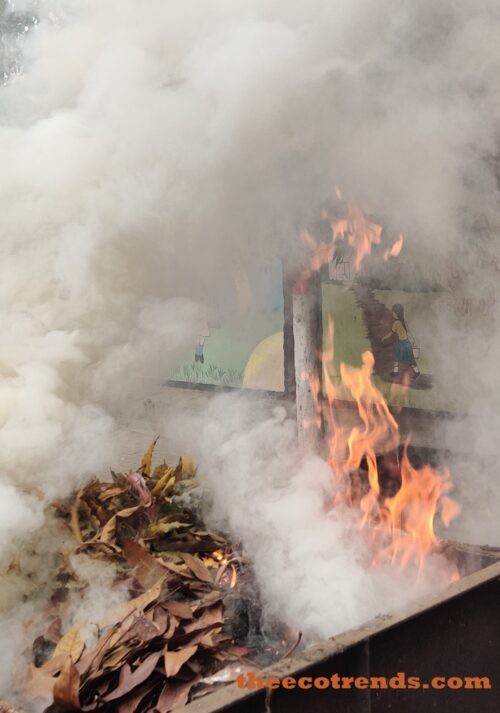
It is reported that about 30 million tones of dry leaves are dumped into landfills every year in America. In India most of these leaves are either burnt on the floor where they fall or collected by poor people and stored for burning during winter season to generate heat.
Sex organs of plants are found inside flowers. A male reproductive organ is called as Androecium and a female sex organ is called as Gynoecium.
We have damaged ecosystems in the name of development. Wildlife too is facing danger. Our activities have impacted in such ways that animal population has fallen into a serious zone of danger.
An association of all the plants at a particular place is called a Plant Community and the association of all the animals at the same place is called an Animal Community. Both the plant and animal communities inhabit a particular place living completely merged and interacting among them. Members of a community not only interact with the members of other communities, they interact with the members of their community and with the physical environment around them, as well.