Overpopulation in India
A group of individuals of a particular species occupying a particular area at specific time is called as population.
A group of individuals of a particular species occupying a particular area at specific time is called as population.
A group of individuals of a particular species occupying a particular area at specific time is called as population. A species is a group of similar type of organisms that can interbreed under natural conditions. The interbreeding organisms of a species produce new organisms and finally result into the growth of population. This is true for all the life forms including human beings.
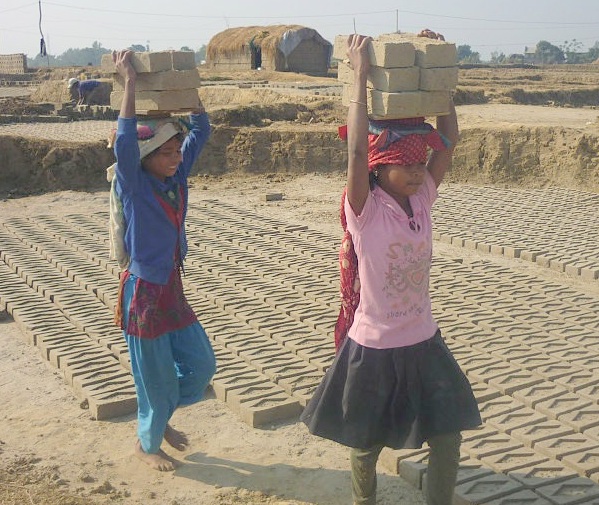
Children as they grow, start getting involved in the day to day activities of the family to support their parents. These children go to schools and work in the family in leisure periods. Their household activities are neither harmful nor exploitative.
The Envelope of air held around the earth by its magnetic force, gravity or geomagnetism, is called the atmosphere.
In the current period of Corona Pandemic most of the people are running to and fro for oxygen container as if Oxygen can only cure the corona patients in this period.
Natural habitats support a variety of living organisms, some of which endemic to one particular habitat.
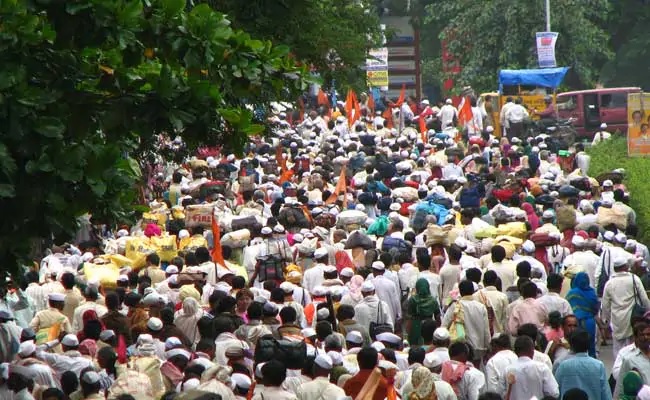
The gap between the rich and the poor has increased due to population growth. The rich people are exploiting more resources than poor people. Malnutrition is one of the most common effects of these problems. The poorest people in developing countries do not get adequate calories to develop their health properly.
Waste too is found in three states- solids, liquids and gases. Liquid wastes such as different types of chemicals, useless medicines, detergents, pesticides, oil, automobile wastes etc. spread on the soil surface and make it poisoned. Decomposition and burning of things on ground produce different gases that pollute the air.
Coarse grains are broadly discussed these days. Now the world has come to know about their importance. Coarse grains have been contained in the Indian dishes since long. Now that the harmful effects of soft grains are known, the world has come to advocate the coarse grains.
Our environment today is facing a number of problems. All those problems are causing dangers to take shape against the existence of the whole biosphere of this planet. But who is behind all those problems? The answer is – M A N.
Fried and roasted food rush into our memory today because lock down has locked us inside. As a result the forgotten dishes are now being served on the table. Stuffed brinjal, stuffed lady’s finger, stuffed Shimla mirch, parval etc. taste double when fried. The maincourse items that were long banned in the kitchen are occupying their places on the dining table.