
Important Processes of Reproduction
When both the ovaries are fully mature, they alternatively produce ova at the interval of 28 days. Release of ovum into the uterus through the fallopian tube is called as ovulation.
When both the ovaries are fully mature, they alternatively produce ova at the interval of 28 days. Release of ovum into the uterus through the fallopian tube is called as ovulation.
In human beings reproduction takes place through the activities of male and female reproductive organs. To understand this, it is essential to study the structure of male and female reproductive systems separately.
What is the importance of DNA copying in reproduction?
Two organisms- male and female are essential for sexual reproduction. Now let us study some basic methods of reproduction in single organisms.
Living beings develop their population through reproduction. But reproduction is the process through which different traits appear in living beings. Variation is essential for evolution
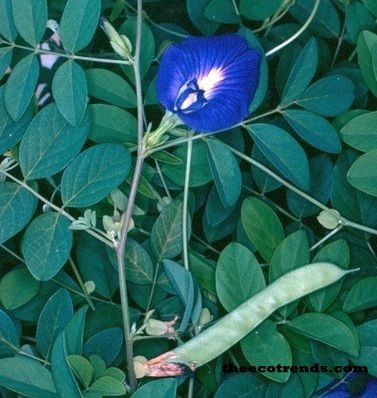
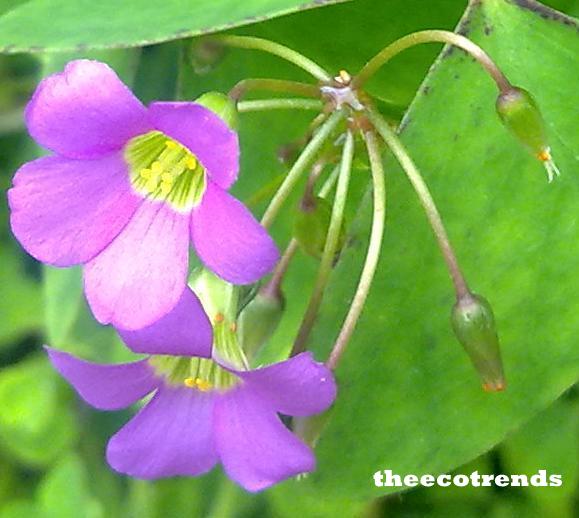
Flowers are most beautiful and attractive parts of a plant. These contain reproductive structures- male and female. Flowers containing any one of these structures are known as unisexual whereas flowers containing both the reproductive structures are known as bisexual.
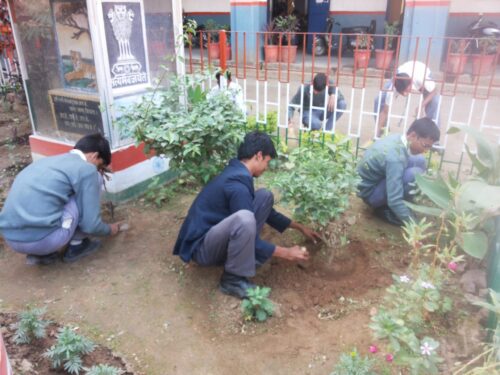
The conservation of the environment implies the sustainable use and management of natural resources, including wildlife, water, air, and earth soils.
It usually focuses on human needs and interests, which include the biological, economic, cultural, and recreational values of the natural environment.
Ocean is a vast natural resource of water. These have also been examined in the search for alternate sources of energy-generation. For example, gravitational pull, by sun and moon causes tides, in which sea level rises and falls, two times in 24 hours. When it rises, sea water may be diverted through suitable channels, to inshore reservoirs driving the turbines, during its entry.
The process by which a new species is introduced into a habitat is called as Bio invasion. A number of…
In view of offering right price to vegetable growers and making their business free from mediators, the Government of Jharkhand (India) is in a mood to fix Minimum Support Price (MSP) for vegetables from this year.
Ans. Specific enzymes are needed for degradation of substances. A single enzyme cannot degrade many substances. Different types of microorganisms…