Spices are Necessary for Health
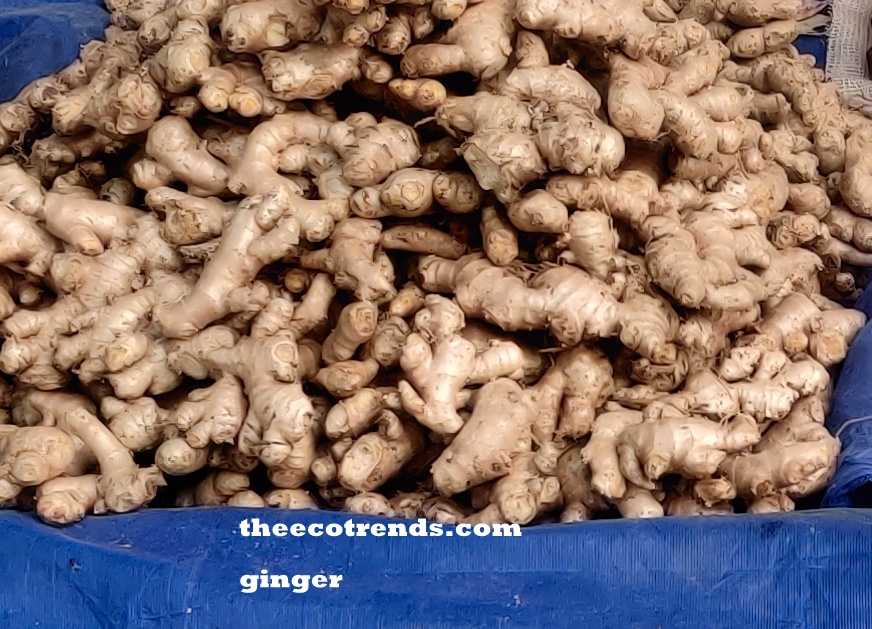
Eatable spices not only increase the taste and smell of food, they contain nutrients that increase our immunity and protect from any infection.
Eatable spices not only increase the taste and smell of food, they contain nutrients that increase our immunity and protect from any infection.
The Social Dimensions of environment incorporate – Demographic Pattern, Life styles of people, Human Health and Habitat, and Social Interactions…
Bottle Gourd is also known as Calabas, White- flowered Gourd and Tasmanian Bean. Taxonomically, it is known as Lagineria siceraria belonging to the family Cucurbitaceae. It is a vine which is cultivated for its fruit used as a vegetable.
Days have gone when students felt it very hard for them to have a friendly talk with their teachers. There were miles of hesitations between a students and teachers.
In the classroom set up many students were so shy and hesitant that they even did not lift up their hands to answer a question even when they knew it properly.
In a human being the ingestion of food is brought about in mouth where it is crushed into fine pieces by teeth.
Urban areas are usually densely populated locations. People migrating from villages towards cities further increase the population burden of cities. Thus urban areas are suffering from serious congestion and traffic problems. Here is a case of Ranchi.
There are various uses of Solar Energy. Farmers in Traditional Farming Communities used to solarise fields by living them empty after a deep ploughing during summers. It killed insects and pests. Human skin synthesizes vitamin-D when exposed to sunlight for short durations. Mothers used to make their babies sleep in the sun after oiling their bodies during winters in order to keep them healthy and strong.
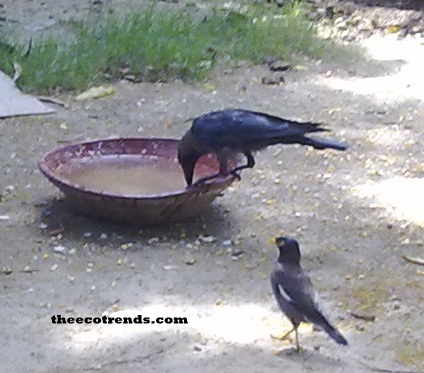
Living beings in environment like animals and plants constitute more than half of the environment in the biosphere. All of these need to be conserved.
community in India has traditionally been rearing sheep to earn their livelihood. Circus owners still keep many types of animals as performers and earn money through their shows.
According to the World Health Organisation (WHO) – Nutrition is the intake of food, considered in relation to the body’s dietary needs.
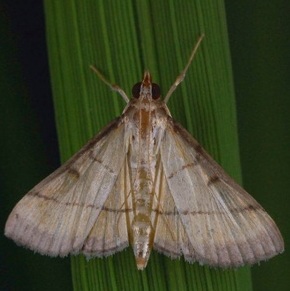
Proper arrangement of resources and techniques to check losses to crops through different factors is called as Crop Protection Management.