
Soil- its Conservation and Management
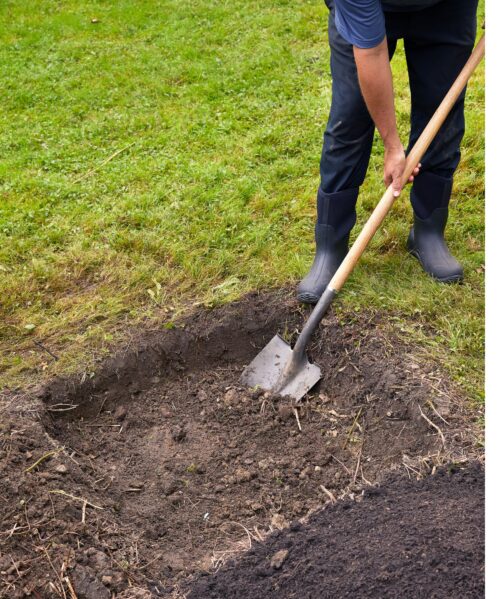
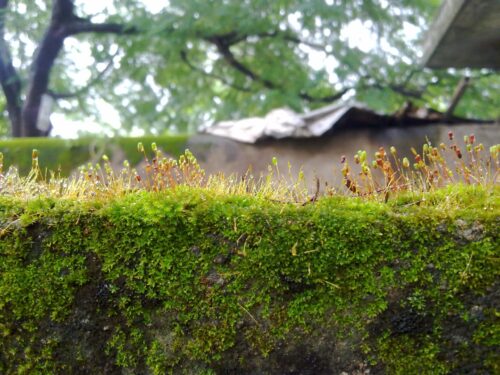
Soil is the loose material that covers the land surface of the earth, supports the growth of plants and acts as a habitat for numerous organisms.
Soil is the loose material that covers the land surface of the earth, supports the growth of plants and acts as a habitat for numerous organisms.
Different activities may generate waste which may be solid or liquid. The quality of both solid and liquid wastes is increasing and if the wastes are disposed in an uncontrolled manner these may cause adverse impact on public health and environment. Hence these wastes need to be managed efficiently so as to safeguard public health and environment.
The organic matter formed through degradation of decomposable biomass and which is rich in nutrients for the growth and development of plants is called as compost.
An association of all the plants at a particular place is called a Plant Community and the association of all the animals at the same place is called an Animal Community. Both the plant and animal communities inhabit a particular place living completely merged and interacting among them. Members of a community not only interact with the members of other communities, they interact with the members of their community and with the physical environment around them, as well.
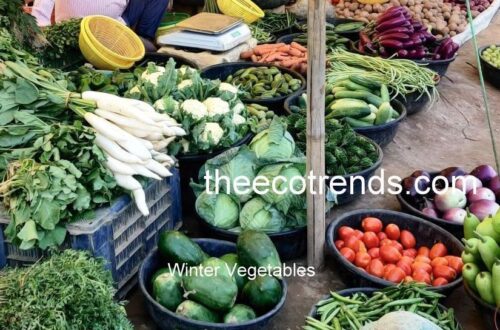
Images of a number of vegetables start sliding one by one just as a slide show on the screen of the mind as we enter into the winter session of the yearly cycle. These vegetables are very important to us not alone for their taste value but for their medicinal and health value as well. Here is an introduction of two of these vegetables.
There are various uses of Solar Energy. Farmers in Traditional Farming Communities used to solarise fields by living them empty after a deep ploughing during summers. It killed insects and pests. Human skin synthesizes vitamin-D when exposed to sunlight for short durations. Mothers used to make their babies sleep in the sun after oiling their bodies during winters in order to keep them healthy and strong.
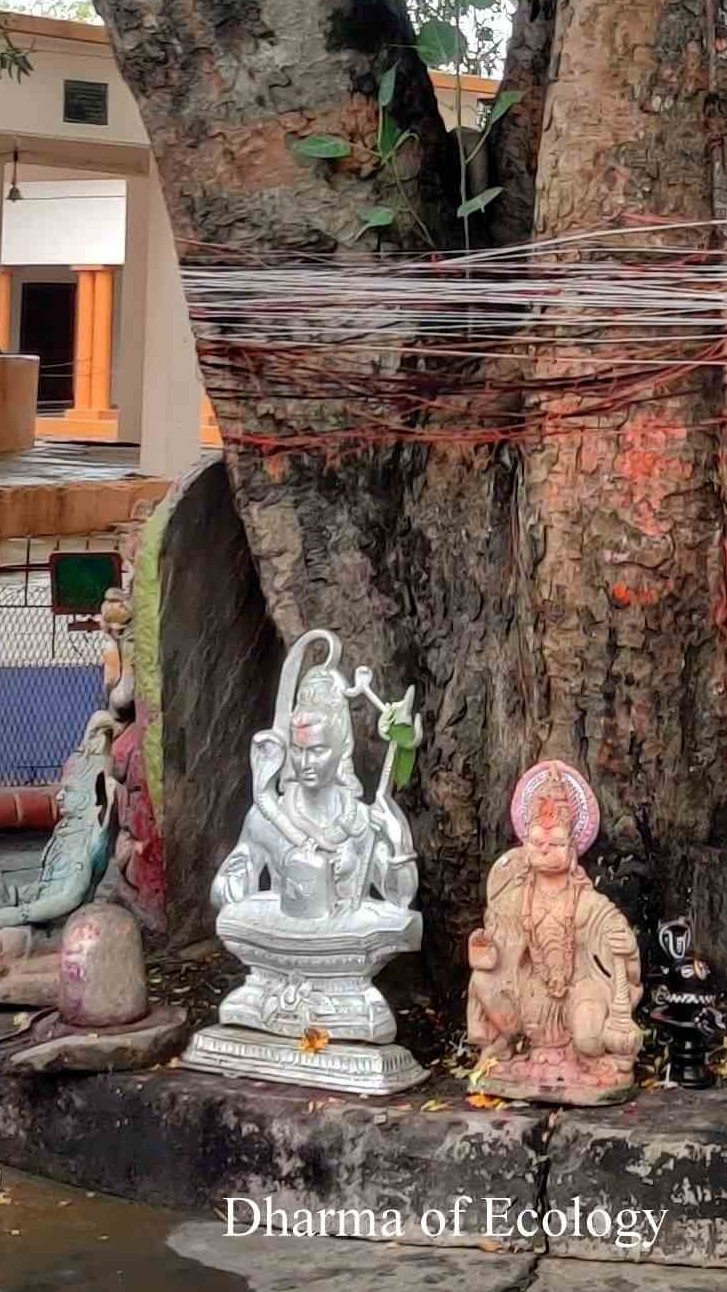
Our beliefs and values, culture and heritage used to preserve and protect the environment through different social, religious and traditional principles
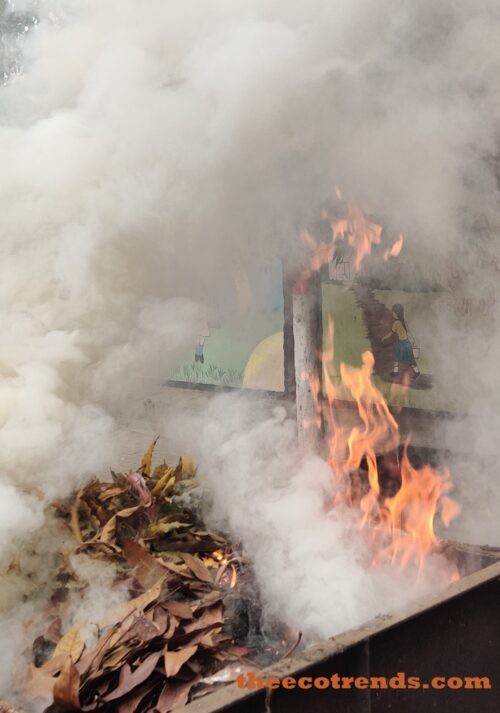
It is reported that about 30 million tones of dry leaves are dumped into landfills every year in America. In India most of these leaves are either burnt on the floor where they fall or collected by poor people and stored for burning during winter season to generate heat.
Substances that cause pollution of air are called as air- pollutants or atmospheric pollutants. These are fine Primary Pollutants that contribute more than 90 percent of global air pollution. These fine pollutants are carbon monoxide (CO); Nitrogen oxides (NOx); Sulphur oxides (Sox) and particulates. These pollutants can be put into two broad categories A. Gaseous Pollutants, and B. Particulates.
In the early stages of COVID-19, when the world was in terror, and no way of treatment was seen, the public of India depended on the traditional systems of healthcare.
“Pension Aapke Dwar” or the “Pension at your doorstep” is a novel scheme of providing Pension to retiring School Teachers on the Date of their retirement in Jharkhand.
The unit of biosphere having all the components producers, consumers and decomposers and the abiotic components together with physical factors in dynamic relationships is called as ecosystem.