Inequality at workplace: Gender, age, caste & economic aspects
Earlier women had to do most of the work in household. But, the trend is changing now. Both men and women have to do all the work now. The Inequality at the work place is vanishing now.
Earlier women had to do most of the work in household. But, the trend is changing now. Both men and women have to do all the work now. The Inequality at the work place is vanishing now.
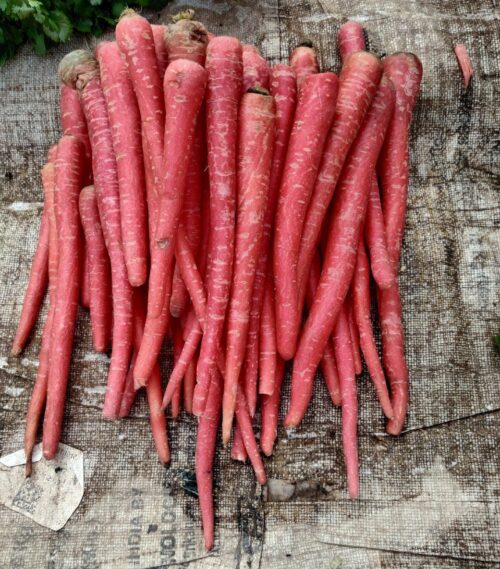
The carrot which is taxonomically known as Daucus Curota sub species sativus is an important plant. It is typically orange or blood red in colour. However, it is found in many colours like white, red, yellow etc. All of these are domesticated forms of the wild carrot.
The Makar Sankranti, the festival of Sun Worship and the festival of harvest is usually celebrated on 14th or 15th of January every year. This year, it is going to be celebrated on the 14th January 2021.
Working time is the time when a person remains busy in doing some work. It may be the part of his daily routine when he has to do something either assigned by an organisation or by his own plan of work.
The Government of Jharkhand is preparing to add one more link in the chain of creating income source for farmers of the state.
Man is surrounded by various life forms, forces and conditions- both physical and biological. Sunlight, land, air and water form physical conditions whereas all the plants, animals, and microorganisms form biological conditions.
Thus, diversity of food is in fact the diversity of culture or at least you can say that cultural diversity of India is linked to its biodiversity. And so, the cultural diversity of the world is linked to its biodiversity. But often, we don’t get ready to accept it.
Introduction to Nuclear Family A nuclear family is a small family unit consisting of parents and their children. In modern…
Some reports regarding increasing bird trade in endangered species that were published recently in some news papers are matters of concern not alone for the lovers of environment and wildlife but for common public as well.
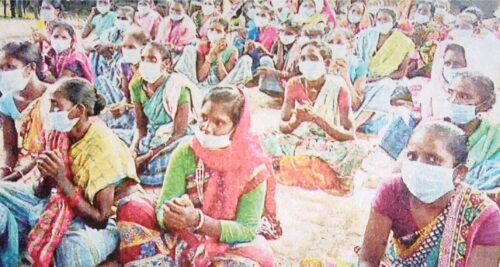
Acrowd of women listening the lecture about malnutrition.
In the new strategy of the Forest Management, local public is allowed to be involved in conservation and management of forests with the government. This strategy is called as Integrated Forest Conservation and Management.
The comfortable life style has reduced mobility of men, women, and children. The lock down during COVID-19 period has restricted human movement up to greater extent. Under these conditions arthritis may become a reason behind problems of joints.