
Bio invasion and Genetic Erosion
The process by which a new species is introduced into a habitat is called as Bio invasion. A number of…
The process by which a new species is introduced into a habitat is called as Bio invasion. A number of…
The total area where living beings are found is called as biosphere. It can be divided into many small independent units called as Ecosystem. In fact, the unit of biosphere which incorporates many types of microorganisms, plants and animals, physical factors like soil, water, air etc. interacting among themselves is called as ecosystem
The conditions of a habitat remain changing abruptly and periodically. Abrupt changes in environment often do not give time to an organism to get ready and to face the challenges. As such the organism can survive only when it has sufficient abilities to tolerate these changes.
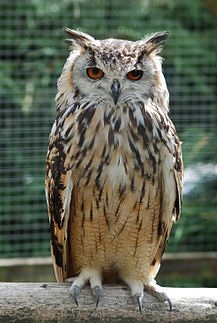
Most of us have seen owls in our surroundings. Owls are hard to be seen in natural settings because they usually remain active during nights only.
Producers in running or Lotic type of ecosystem comprise species of algae, and plants that grow on embankments. Various varieties of molluscs, tadpoles, and insects are primary consumers whereas fish, crabs, and crustaceans are secondary consumers of this ecosystem. Numerous species of bacteria and few species of fungi act as decomposers in this ecosystem.
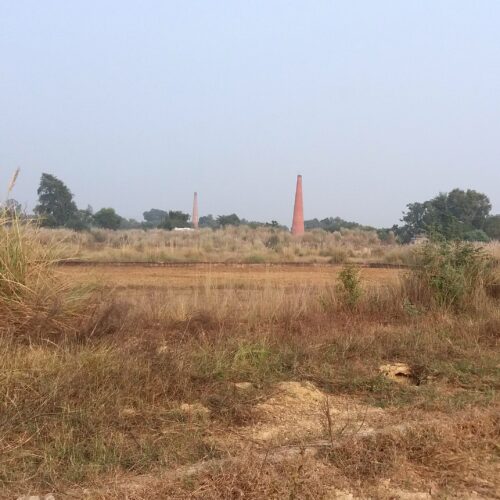
With the growth of human population, more and more land was cleared for cultivation, housing and cattle rearing. Later, as towns and cities started developing, vast areas of land were started to be consumed in making roads, rail tracks, bridges, buildings, markets, trade centres, Educational and Research Centres, hospitals, railway junctions, etc.
The concept of joint forest management was initiated on a large scale through guidelines issued by the government of India in 1990. According to those guidelines the village communities are to be involved in the development and protection of degraded forests based on taking their genuine share of benefits from those forests.
We have been hearing about environmental pollution, loss of biodiversity, energy crisis, and the sustainable environment since long. So many things have already been infused in school syllabi as well. But how many of us really apply in our real life the things about which we have read in our classes?
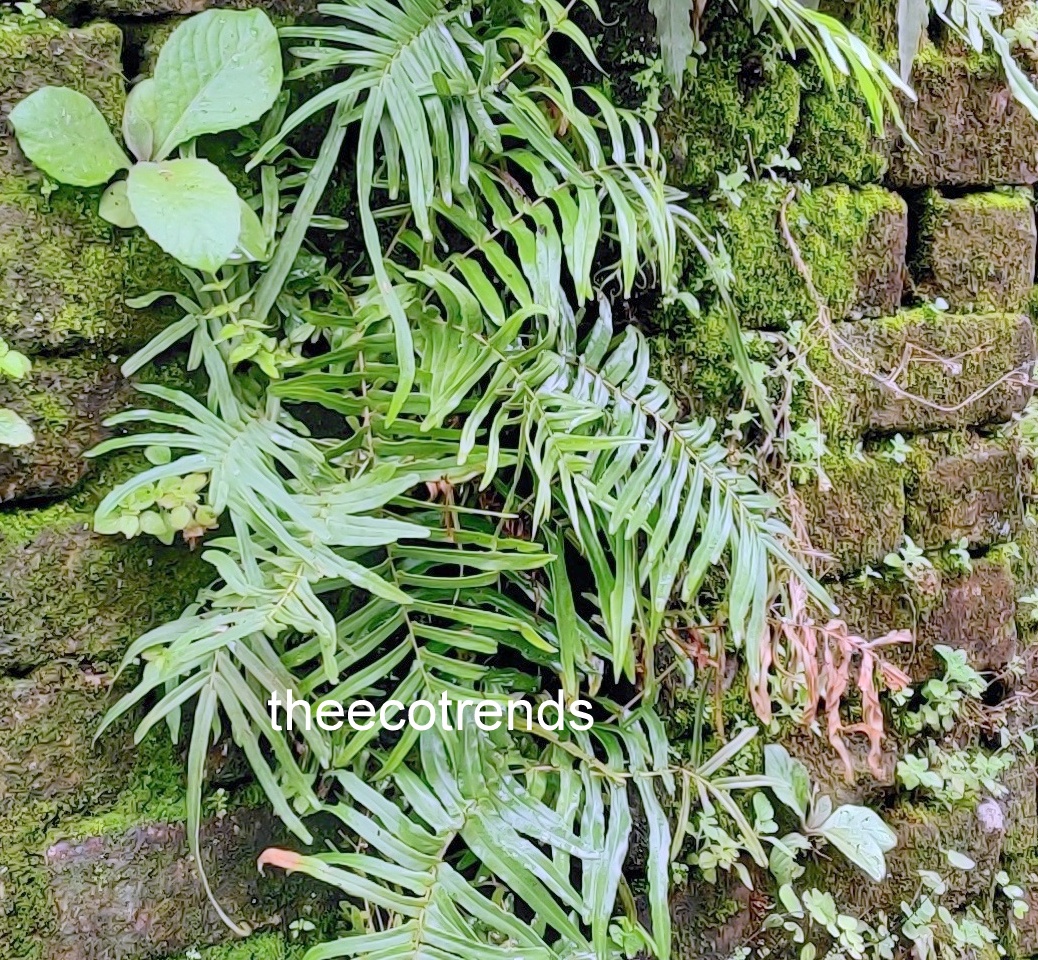
Many ferns grow along north or west facing walls every year. Their spores might have been there in crevices during the dry season. Unless there is a supply of water from leaking pipe they complete their life cycle within the rainy season and pack up with the passing rains. They pass away and leave for us a lesson to remain happy and survive in hard conditions.
Sex organs of plants are found inside flowers. A male reproductive organ is called as Androecium and a female sex organ is called as Gynoecium.
Energy is the basic force capable of running life. But, the sources of energy are running short.