
Urban Environment Facing lots of Problems …
As per an assessment, about 600 million people inhabited urban areas of the world in the year 1950. But now urban areas have been recorded to be inhabited by about half of the total population.
As per an assessment, about 600 million people inhabited urban areas of the world in the year 1950. But now urban areas have been recorded to be inhabited by about half of the total population.
Sarhul is celebrated on Chaitra Shukla Paksha Tritiya, which is today. Yes, the great Festival of tribal people of Jharkhand which is called as Sarhul is today.
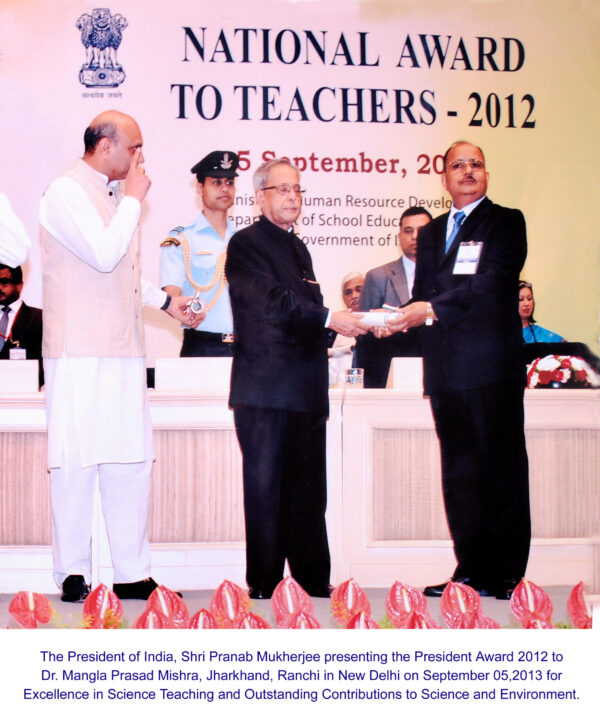
Dr. M. P. Mishra is a noted environmentalist of India. He is known for his researches in environment conservation, wildlife activism, and for his writings.
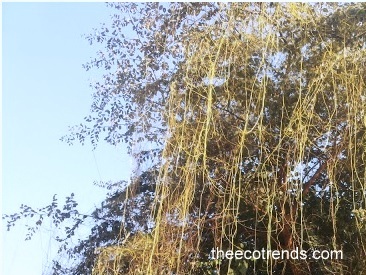
Cuscuta is found throughout the temperate and tropical regions of the world. It has great species diversity in subtropical and tropical regions of the world. It has many folk names like wizard net, devil’s hair, goldthread, hair weed, love wine; strangle weed, angel’s hair, and witch’s hair.
Fighting against the Climate Change which has become the biggest problem of environment is a big challenge of today.
Introduction In the era of the fourth industrial revolution where environmental degradation, economic inequality and social unrest are rampant, the…
The Conservation Status of Biodiversity is usually known through the comprehensive Inventory prepared periodically by the IUCN, the International Union for the Conservation of Nature and Natural Resources. This comprehensive Inventory of the Conservation Status of Species is popularly known as the Red List or the Red Data List.
April 2 every year is celebrated as the World Autism Day. The aim of the celebration of this day is to create Awareness among parents about this problem with their children.
These birds used to fly in and around our houses about some decades ago. But these birds are very rarely seen in our surroundings.
The Makar Sankranti, the festival of Sun Worship and the festival of harvest is usually celebrated on 14th or 15th of January every year. This year, it is going to be celebrated on the 14th January 2021.
Brain and Spinal cord together constitute the Nervous System. The nervous system receives information in the form of impulses from all parts of the body and integrates this information.