Important Processes of Reproduction
A. Ovulation, Fertilization and Menstruation Cycle: When both the ovaries are fully mature, they alternatively produce ova at the interval of 28 dRead More…


A. Ovulation, Fertilization and Menstruation Cycle: When both the ovaries are fully mature, they alternatively produce ova at the interval of 28 dRead More…

In human beings reproduction takes place through the activities of male and female reproductive organs. To understand this, it is essential to study Read More…
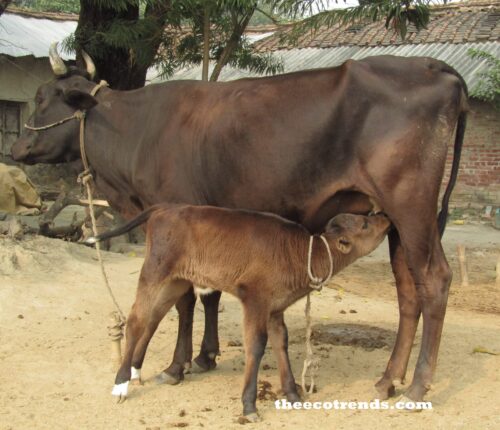
Great diversities are found in terms of sexual reproduction among animals. Let us see some examples. (i) In some unicellular animals like MonocystRead More…

Sex Organs of Plants Sex organs of plants are found inside flowers. A male reproductive organ is called as Androecium and a female sex organ is caRead More…

1. What is the importance of DNA copying in reproduction? Ans. (i) DNA copying is important for causing variations. &nbRead More…

There are two types of reproduction– Asexual ReproductionSexual Reproduction In asexual reproduction sex organs don’t take part. Hence,Read More…

Living beings have many processes in common. Among all the common processes there is one very interesting and wonderful process which is called asRead More…
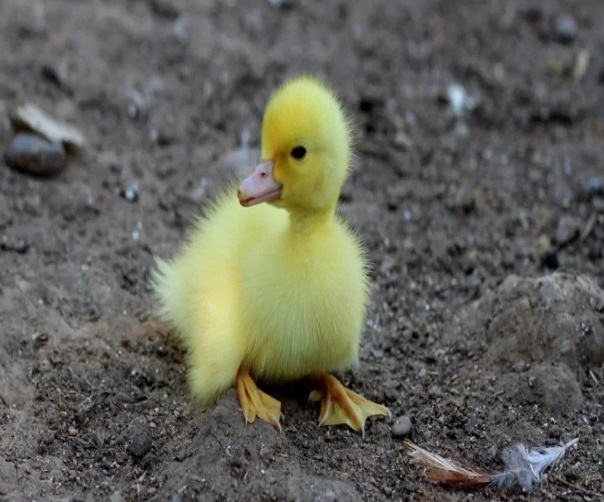
The term animal has its origin from the Latin word animalis which means one who has breath. This word is usually applied for the non-human Read More…
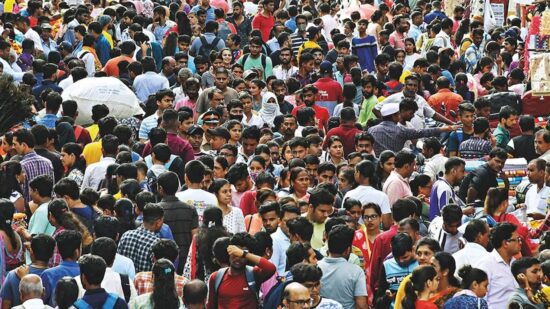
A population is a group of individuals (all members of a single species) who live together in the same habitat and are likely to interbreed. Read More…
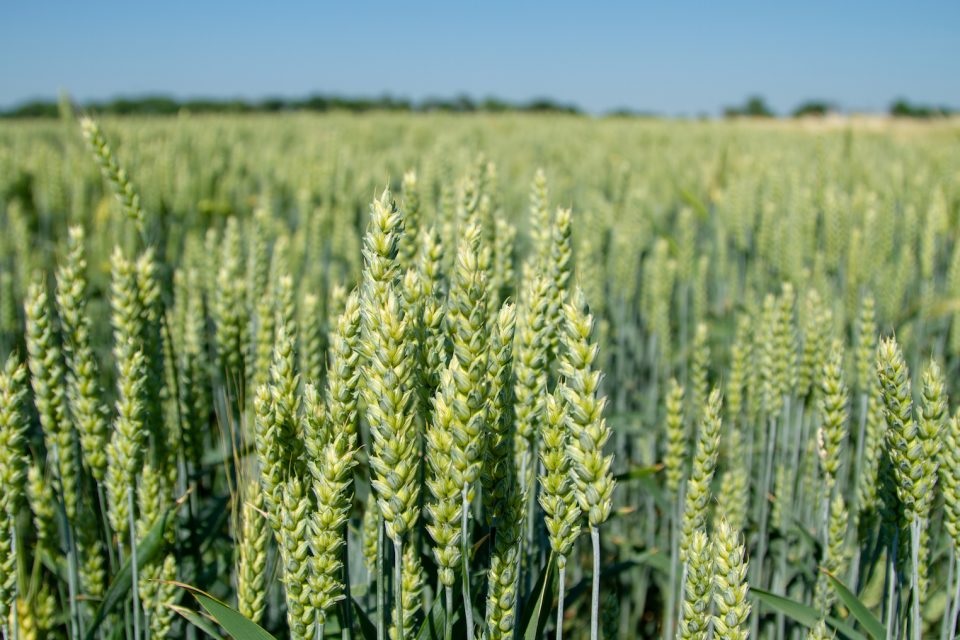
INTRODUCTION: LIVING BEING All those processes that maintain the body of an organism collectively are called as life processes. These processes prRead More…