Basic Concepts of Nutrition
According to the World Health Organisation (WHO) – Nutrition is the intake of food, considered in relation to the body’s dietary needs.
According to the World Health Organisation (WHO) – Nutrition is the intake of food, considered in relation to the body’s dietary needs.
Cauliflower is a beautiful compact snow ball like vegetable if it is white. It remains surrounded by soft and long foliage.
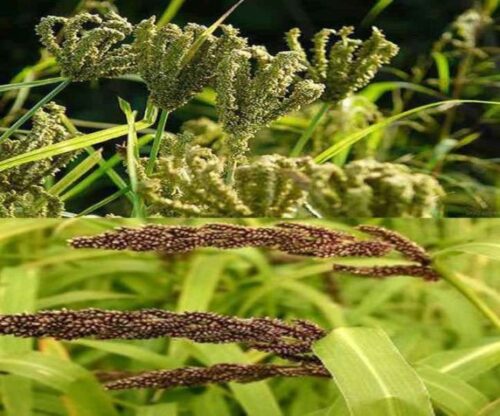
Madua or ragi or finger millet which falls under coarse grain is a very nutritive diet. The Indian Government has declared an integrated policy to encourage the use of coarse grain. Through it is clear that importance of coarse grain is about to rise in near future.
Everyone wishes to increase his body immunity in the current fearful period of corona. Earlier, very few talked about immunity and no- one probably ever talked to make efforts for increasing it.
Traders have turned faces against Chinese goods this Diwali season. It has increased the hopes of Soil Workers (Potters) in India.
On June 26, 1945 fifty-one; nations representing 80% of the world’s population approved and signed a charter for the establishment of a world body of nations – the United Nations Organisation (UNO); at San Francisco.
Man is surrounded by various life forms, forces and conditions- both physical and biological. Sunlight, land, air and water form physical conditions whereas all the plants, animals, and microorganisms form biological conditions.
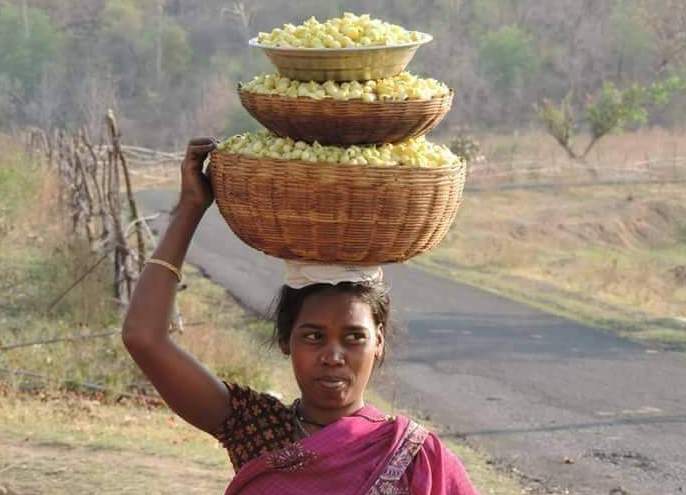
Mahaua or the Madhuca longifolia is indigenous to India. It is a good sized tree and it grows up to 20 meters in height.
We have been hearing about environmental pollution, loss of biodiversity, energy crisis, and the sustainable environment since long. So many things have already been infused in school syllabi as well. But how many of us really apply in our real life the things about which we have read in our classes? If you collect yourselves and think seriously, you may find that you are still not as careful as you are supposed to be.
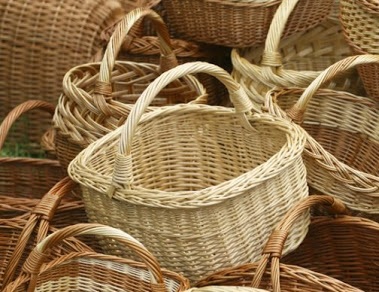
India has a vibrant tradition of crafts. Though agriculture employs largest number of people in this country, craft section employs and sustains over twenty million people.
The first Dahlia flower in winter of the year was seen by me only today in my school garden. It looked so solitary, innocent and so beautiful that I could not resist the temptation of taking its photograph.
Man has been keeping animals and depending on them for his livelihood since the origin of civilization. Washermen have been depending on donkeys since long for carrying clothes.