
Drink More Water in summer
Water is the principal constituent of our body. Water is chemically an inorganic, transparent, tasteless, odourless, and colourless. It is the main constituent of the hydrosphere of the earth.

Water is the principal constituent of our body. Water is chemically an inorganic, transparent, tasteless, odourless, and colourless. It is the main constituent of the hydrosphere of the earth.
A Hybrid Green House dryer has been developed by Manoj Gaur, a professor at the department of Mechanical Engineering, Madhav Institute of Technology and Sciences Gwalior.
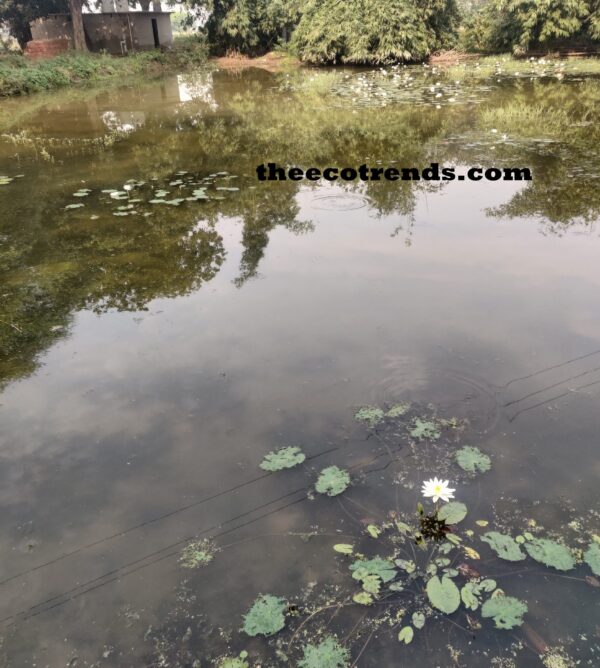
The Chief Justice of Jharkhand High Court Dr. Ravi Ranjan and Justice S.N.Prasad heard on the PIL demanding encroachment free conservation of Ranchi’s Bara Talab (so called Ranchi Lake) and other water sources on Thursday i.e. on 8th April, 2021.
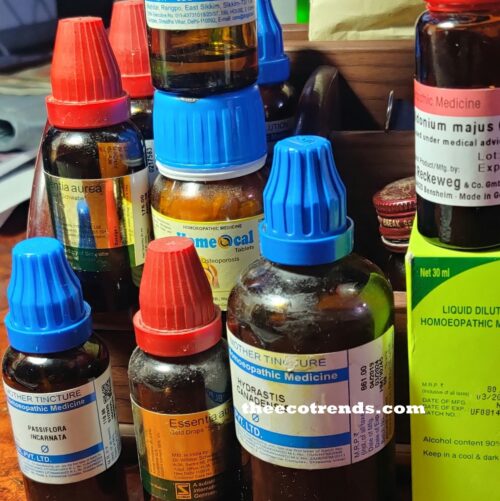
The Homoeopathic System of Medical Care is based on equality. Dr. Christian Friedrich Samuel Hahnemann created the pseudoscientific System of Alternative Medicine called Homoeopathy in 1796. He was born on 10th April 1755 in Meissen, Germany and died on 2nd July 1843 in Paris, France.
Aadya a three years girl lives with her Nani, Nanoo, and Mom in a flat of a big apartment. Her mother is a Senior Secondary teacher and her father is a scientist in IIT, Mumbai.
April 2 every year is celebrated as the World Autism Day. The aim of the celebration of this day is to create Awareness among parents about this problem with their children.
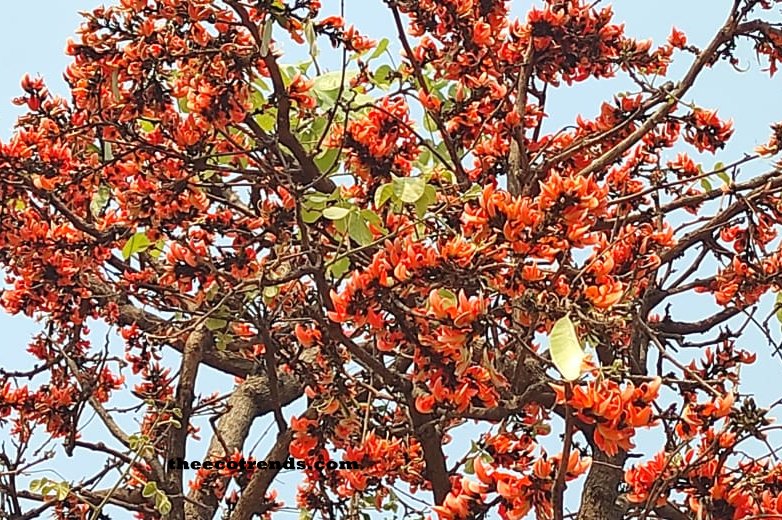
Palash or Butea monosperma is an important tree of taxonomic family Fabaceae which is native to tropical and sub-tropical India. It is also found in Pakistan, Bangladesh, Nepal, and Srilanka etc.
Dams have started drying in Ranchi, the capital of Jharkhand state of India.
Holi is an ancient Hindu festival which is also called as the Festival of Colours, love and spring.
Thus, diversity of food is in fact the diversity of culture or at least you can say that cultural diversity of India is linked to its biodiversity. And so, the cultural diversity of the world is linked to its biodiversity. But often, we don’t get ready to accept it.
Proper arrangement of resources and techniques to check losses to crops through different factors is called as Crop Protection Management.